make preferable

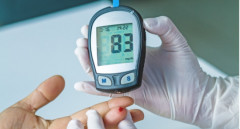
An extremely high level of sugar has always been a sign of diabetes.The drug, known as canagliflozin (Invokana®), was approved by the U.S. Food and Drug Administration in March for treating type 2 diabetes. It is a so-called SGLT2 inhibitor that acts by blocking the kidneys’ reabsorption of sugar, or glucose. The result is that more glucose is released in the urine and the patient’s blood glucose level goes down — a major goal of diabetes treatment.
Сanagliflozin and other experimental SGLT2 inhibitors work completely independent of insulin, health.clevelandclinic.org reports.
The new medication, which is taken by mouth in pill form, is approved for use as stand-alone drug therapy, in addition to changes in diet and increased exercise, or in combination with other drugs for diabetes.
An added benefit is that canagliflozin is associated with modest weight loss, with patients shedding from 2.8 percent to 5.7 percent of body weight in clinical studies.
“The weight loss is an appealing side effect, especially in the growing population of obese individuals with type 2 diabetes,” says Cleveland Clinic endocrinologist Mary Vouyiouklis, MD. “Aside from metformin, which occasionally results in modest weight loss, other oral drugs used to treat type 2 diabetes are weight-neutral or can cause weight gain.”
The fact that canagliflozin has a mild diuretic effect (i.e., tends to increase urination). This results in lowering of blood pressure, which can be good for some patients who have high blood pressure but can also cause lightheadedness, dizziness or even fainting in other individuals. Dr. Vouyiouklis says caution is needed before the drug is started in any patients at particular risk of the latter effects, such as the elderly or patients taking diuretics or multiple drugs for blood pressure.
Dr. Vouyiouklis says obese patients with type 2 diabetes and normal kidney function stand to benefit most from canagliflozin. In general, the drug seems to be best tolerated by patients with normal kidney function and less well tolerated by those with moderate kidney disease (it should not be used by patients with severe kidney disease). It is not approved for use by pregnant women, patients under 18 or individuals with type 1 diabetes.
“Although canagliflozin is approved for use as single drug therapy, metformin remains my choice for first-line oral therapy,” says Dr. Vouyiouklis. “Because canagliflozin is relatively new and its long-term effects are not yet known, I prefer to reserve it for use as add-on therapy. I believe it will be a useful addition, especially in obese patients who are seeking to lose weight.”