make preferable
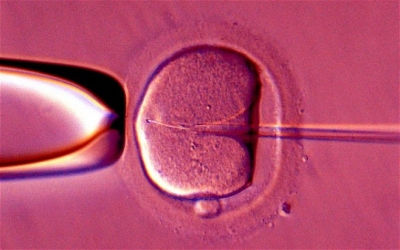
The risk of serious complications — stillbirth, preterm birth, low birth weight, and neonatal death — is twice as high for babies conceived by assisted reproductive therapies compared with naturally conceived babies, a new study has found, Newsmax Health reports.
The findings are based on research by the University of Adelaide's Robinson Institute involving more than 300,000 births — including some 4300 births from assisted reproduction — in South Australia over a 17-year period.
"Compared with spontaneous conceptions in couples with no record of infertility, singleton babies from assisted conception were almost twice as likely to be stillborn, more than twice as likely to be preterm, almost three times as likely to have very low birth weight, and twice as likely to die within the first 28 days of birth," said lead researcher Michael Davies, whose findings were published in the Public Library or Science journal PLOS ONE.
"These outcomes varied depending on the type of assisted conception used," he added, noting the study compared adverse birth events related to all forms of available treatment — including in-vitro fertilization (IVF), intracytoplasmic sperm injection (ICSI), ovulation induction, and cryopreservation of embryos.