make preferable
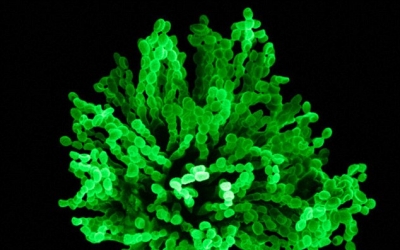
New figures show that fungal diseases cause hundreds of thousands of deaths annually, following severe respiratory illness and infections of the blood stream. And now an expert has warned that fungi kill more people than malaria and tuberculosis worldwide, and destroy a third of all food crops.
Speaking at Cardiff University’s Science in Public Health lecture series, Professor Rosemary Barnes from the School of Medicine’s Institute of Infection and Immunity said: ‘For most people, fungal disease means a bit of athlete’s foot or a manky-looking toe nail.
‘These maybe irritating and unsightly but fungi can do far worse. Fungi kill more people than malaria and tuberculosis worldwide.’
They destroy about a third of all arable food crops.
Scientists have identified more than two million species of fungi, and they are considered to be among the most diverse and adaptable of all living organisms, predating humans by hundreds of millions of years.
Only 600 species are known to cause disease, but 99 per cent of these diseases can be attributed to 30 kinds of fungi. Whilst relatively few species cause human disease, they are incredibly common with approximately one-in-three people infected.
‘Fungi were on the earth long before plants and other life forms’ continued Professor Barnes. ‘They readily adapt to increasing globalisation and climate change and we need to rise to the challenge to deal with the threats posed by these versatile and intriguing organisms.’
Most infections are trivial, but serious invasive diseases affect 2.5 million people worldwide. Invasive fungal disease is very difficult to treat and can be distressing for patients, in some cases causing disfigurement.
Other strains of fungi can decimate crops leading to billions of pounds of food wastage and contribute to global poverty.
She suggests improving diagnostic techniques, investing more into research in the area, and performing surveillance studies of the fungi and diseases.