make preferable

Probiotics can control diabetes, scientists have found. They engineered a strain of lactobacillus, a human probiotic commonly found in the gut, to secrete a peptide - a hormone that releases insulin in response to food entering the body. The scientists then gave a group of diabetic rats the probiotic in pill form for a period of 90 days. The team of researchers found those rats given the new drug had blood glucose levels which were up to 30 per cent lower.
The scientists found the cells in the upper intestine of the diabetic rats given the treatment were converted into cells that acted similarly to pancreatic cells - which in healthy people secrete insulin to maintain and balance glucose levels.
The amount of time to reduce glucose levels following a meal is the same as in a normal rat, and it is matched to the amount of glucose in the blood. Specialists intend to test higher doses of probiotics in their future experiments. They think it can completely cure diabetes.
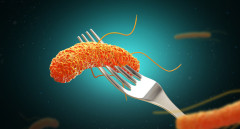
Probiotics are microorganisms that help promote digestion, do not allow the development of infections and inflammation of the gastrointestinal tract.
Most often these are lacto - and bifido bacteria, but they may be in the form of other organisms, such as yeast. Probiotics can be drugs, food additives, etc.