make preferable
The High Fat Diet claims to facilitate up to 10lb of weight loss in just 14 days. Developed by nutritionist and personal trainer Zana Morris, the diet is a combination of high-fat nutrition and high-intensity training.
And, as the plan is designed to help reset the hormonal balance of the body, she claims it’s also easy to keep the weight off.
In a new book about the plan, Ms Morris says: 'It literally turns everything you thought you knew about weight loss on its head. Forget counting calories, feeling hungry, hours of exercise or months of watching the scales slowly shift downwards, and forget bran or anything else that tastes like cardboard. Instead, those on the plan eat plenty of high-fat foods - like nuts, avocado, butter and even cream cheese.’
They also do a maximum of 12 minutes of exercise a day - none of which is on a running machine or exercise bike.
The reason the diet works is the impact fat has on a hormone called insulin. Released when you eat, insulin's job is to shuttle glucose, the sugar our body normally uses for energy, into cells where it can be used as fuel. How much insulin you produce depends on which foods you consume. Sugar and carbohydrates (which your body converts quickly into glucose) produce the highest level. Protein, which takes a bit more effort to turn into glucose, creates a smaller rise.
Dietary fat, however, takes a few complicated steps to convert to glucose and therefore doesn't trigger any direct rise in insulin at all.
Swap to a diet that consists of a lot of high-fat foods and very few carbohydrates and you create a situation where insulin is low and you remove your body's normal source of fuel. At this point it has to do something to get the energy it needs, and that something is to switch to using fat instead (a state scientists call ketosis). Every time a little bit of fat leaves the cells to be used as energy the fat cells get smaller and lighter - and so do you.
Hunger is a common reason people find diets hard to stick to, but it's very hard to be hungry eating just fat and protein. One reason is that ketones released as you start to burn fat suppress appetite. The combination also avoids sudden peaks and troughs in blood sugar that cause food cravings. Finally, fat digests slowly, keeping you fuller longer.
But is it OK to eat all this fat?
Well, much of the fat you're eating on the plan comes from sources of unsaturated fat that no expert is going to argue are bad for you - avocados, walnuts, oily fish and olive oil.
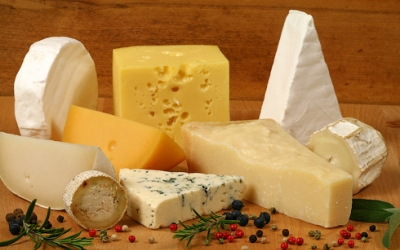
However, you are also adding in foods like butter, cream cheese, red meat and full-fat cheese, which contain saturated fat. For the last 65 years, intake of saturated fat has been blamed for high cholesterol, heart disease, obesity and more. However, a number of scientists and cardiologists are now disputing this.
As for the exercises, high-intensity workouts, lasting 10-15 minutes, have been validated by numerous studies as one of the most effective ways of not only decreasing body fat - but also increasing muscle mass, strength, performance and endurance.
This type of training helps stimulate muscle fibres, increases metabolism post workout and activates release of a muscle-building and fat-burning hormone called human growth hormone (hGh).