make preferable
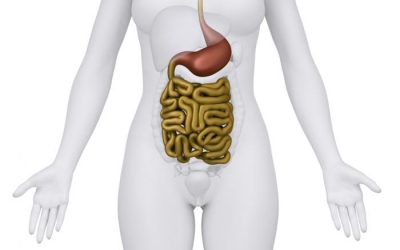
We have known for some time that one of the unwanted side effects of taking antibiotics is their disruption of friendly microbes in the gut. But now a new study that takes a closer look suggests the consequences of long-term antibiotic use could be even far-more reaching than we thought.
Writing in the journal Gut, Andrey Morgun, an assistant professor at the College of Pharmacy in Oregon State University, Corville, and colleagues hope the study will increase understanding of the widespread damage antibiotics cause to the gut and will offer new ways to investigate and offset the consequences.
According to Medicalnewstoday.com, antibiotic use is widespread - around 40% of adults and 70% of children take at least one a year, and billions of animals are treated with them.
When used properly, antibiotics eliminate life-threatening infections, but around 1 in 10 people treated with them suffer adverse side effects.
Scientists are beginning to discover that antibiotic use - and overuse especially - is associated with a range of problems that affect, among other things, glucose metabolism, the immune system, food digestion and behavior. They also suspect it is linked to obesity and stress.
For their study, the team used mice to look at the effects of four antibiotics commonly given to lab animals.
Previously, it was thought the antibiotics only killed gut bacteria and blocked some immune functions in the gut. But the new study shows they also destroy cells in the intestinal epithelium.
The intestinal epithelium is a velvet-like layer of specialized cells that lines the intestine and helps absorb water, glucose and essential nutrients into the bloodstream. It is also a barrier between the rest of the body and the huge colonies of bacteria that live in the gut.
The velvet-like appearance of the intestinal epithelium is due to the millions of tiny projections called villi that maximize the surface area of the epithelium.
The intestinal epithelium is home to an abundance of immune cells that live alongside the trillions of gut bacteria with whom they are in constant dialogue to maintain the delicate stability of the partnership between the host body and its bacterial colonies.