make preferable
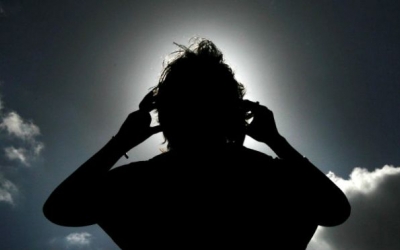
Taking pictures of Friday's solar eclipse on a smartphone could put people at risk of blindness, eye experts warn. The College of Optometrists says the danger comes should people look directly at the Sun as they position themselves for selfies or other shots.
Inadvertently glancing at the Sun - even briefly while setting up a shot - can lead to burns at the back of eye. Experts advise indirect viewing, using pinholes and facing away from the Sun.
For many, this will be the first time they have witnessed the phenomenon in 15 years, but eye specialists say people should not use their camera phones to capture the event. Daniel Hardiman-McCartney, a clinical adviser at the College of Optometrists, said: "In 1999, when there was the last major eclipse, no-one really had smartphones or took selfies.
"This could potentially be very dangerous because people might be tempted to look at the Sun as they try to get the perfect shot or clip.
"And as the eclipse is a relatively slow process, people might end up accidentally looking at the Sun for minutes."
He said though an image of an eclipse on a screen was not dangerous in itself, people might look around the edges of a phone when framing the photo. "And when taking selfies, it would be easy to keep glancing back over your shoulder to make sure everything is aligned."
The Royal College of Ophthalmologists says there is no safe method for most of the public to look at an eclipse directly - even using dark filters such as sunglasses or through equipment such as cameras, binoculars or telescopes. Astronomers use special solar telescopes or filters to protect them.
But eye doctors have seen patients with permanent and incurable solar burns to their eyes, the college's guidance warns.