make preferable
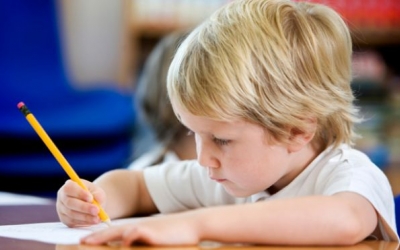
Between schoolwork, homework, standardized tests and test anxiety, after-school activities and bullying, kids are super stressed out, Fox News reports.
Here, find out how you can tell if your kid is stressed at school and what you can do about it.
Kids who are under stress will have changes in mood or behavior, according to Dr. Adele Cadieux, a pediatric psychologist at Helen DeVos Children’s Hospital in
Your kid will likely be irritable, cry more, withdraw from activities, express uncertainty, or have negative self-talk. He or she might complain about headaches and stomachaches or have changes in sleep and appetite. Kids under stress also have problems getting ready for school and may even refuse to go.
“A rushed child is never a calm child,” said Lori Lite, author of Stress Free Kids: A Parent's Guide to Helping Build Self-Esteem, Manage Stress, and Reduce Anxiety in Children. Chaotic mornings also set the tone for the day so leave enough time and make sure everything they need is ready to go.
Besides, kids who get enough sleep are likely to be less irritable and better able to handle school stress.
If you suspect your kid is stressed or is being bullied, open the lines of communication by asking about his or her day and challenges. Especially for older kids who don’t want to be told what to do, you can help them figure out a solution to their problems on their own.
Practice relaxation. Deep breathing, progressive muscle relaxation and positive thinking are proven ways to reduce stress that also work for kids.
Talk to school staff and other parents about their observations of your child so you can keep track of how he or she is handling school, Cadieux said.
If you can’t handle your stress, your kid will never learn to either, Cadieux said. So the next time you have a tough day at work, it’s ok to tell your kids why you were upset – but say something that puts the situation in perspective.
Don’t criticize.
Even if you disagree, never talk negatively about homework or teachers in front of your child because it creates fear. “They’re already feeling stress so you need to be the calming force,” Lite said. Always be positive and schedule a parent-teacher conference instead.
Limit technology.
Kids spend more than seven hours a day using technology that might increase stress. So put limits on your kid’s tech time and spend more time being active as a family.
If school stress is affecting your child’s ability to function, it’s important to talk to a counselor who can help your child cope.