make preferable
Imagine if one day, a person’s heart and other organs could be used to power medical devices in their body that they need to survive, CBS News reports.
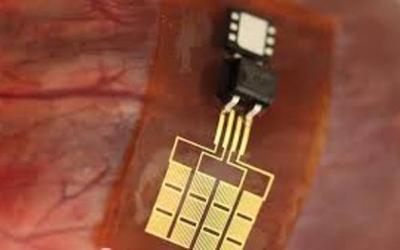
That day may be closer than you think. Researchers have developed a thin, flexible device that generates electricity when moved. Then, they implanted the item directly on animal hearts, lungs and diaphragms to see if the natural processes of the body could create power.
The researchers relied on the concept of the piezoelectric effect, which is when electricity is created in certain kinds of solid materials when something puts continuous force on it. In this case, they created nanoribbons made from a piezoelectric-able material called lead zirconate titanate. These nanoribbons were placed on a flexible silicone surface that could be put on an organ and move as it moved.
The researchers found that the best place to put these devices without interfering with the body’s natural processes and movements was on one of the heart’s ventricles. At its best, the device created 0.2 microwatts per square centimeter, which was enough to power an average pacemaker.
Michael McAlpine, a professor of mechanical engineering at Princeton University who was not involved in the research, told The Scientist that the technology is important because it could mean less surgery for people who have battery-powered devices like pacemakers, implantable cardioverter-defibrillators, neural devices and cochlear implants.
Some experts voiced concern that the device was made out of a lead-based material, and even though it is sealed up, it could leak. However, McAlpine said there are other non-lead based piezoelectric materials that are almost as efficient as lead zirconate titanate, and further research in this area may reveal a better alternative.