make preferable
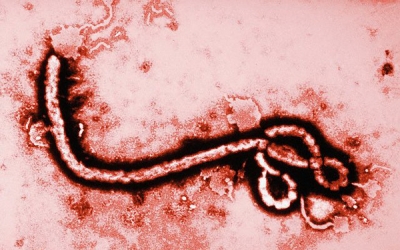
For the first time since the Ebola virus was discovered in 1976, a woman has been found to have very likely contracted the virus through unprotected sex with a man who survived the disease.
A 44-year-old woman in Monrovia developed symptoms on March 14; Ebola was confirmed on March 20. Medical investigators ruled out all the usual transmission suspects: travel to or interaction with visitors from countries with Ebola; attending the funeral of a victim; or contact with people with symptoms.
That left one cause: The woman had unprotected vaginal intercourse with an Ebola survivor on March 7. A report in the May 1 Morbidity and Mortality Weekly Report, a publication of the Centers for Disease Control and Prevention, says that the Ebola virus can persist longer than anyone previously thought in the seminal fluid of men who have recovered.
Even before this case of likely sexual transmission of Ebola, health authorities had advised either abstinence from sex or condom use for three months after recovery from the virus, since it had been found in the semen of survivors up to 101 days after their first symptoms appeared. The man had first showed virus symptoms in September, 199 days before having sex with the woman in Monrovia. He also reported having sex with a second woman between February and March, but that woman was not infected.
"We have suspected that having sexual contact with survivors could be a potential way for people to become infected," says Dr. Barbara Knust, an epidemiologist and Ebola expert at the CDC. "Prior to this outbreak we did have messages given to male survivors to abstain from sex for three months and they were provided condoms."
Now those recommendations are stronger:
"Until more information is known, contact with semen from a male survivor should be avoided. If male survivors have sex (oral, vaginal, or anal), a condom should be used correctly and consistently every time," the MMWR report states.
The recommendations come with no end date, though further study is likely to provide one. "I want to emphasize that we don't think this is lifelong," says Knust. "We think it's for some period of time for survivors. The thing that's difficult about this public health message is we don't know how many months that is. But it's not like HIV, where those recommendations are lifelong."
There is no evidence that female survivors of Ebola can infect men through sexual contact after they are deemed Ebola-free. That may be because a woman's reproduction system has immune cells "constantly patrolling and looking for viruses and bacteria and fungi," as do the bloodstream and most organs, says Knust. So after a woman is declared to be free of Ebola, her immune response would kill off any remnants of virus. But in men, the virus could live on because the testicles have a less active immune system than most other parts of the body.