make preferable
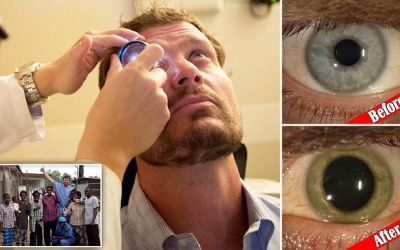
When Dr. Ian Crozier was released from Emory University Hospital in October after a long, brutal fight with Ebola that nearly ended his life, his medical team thought he was cured. But less than two months later, he was back at the hospital with fading sight, intense pain and soaring pressure in his left eye.
Test results were chilling: The inside of Dr. Crozier’s eye was teeming with Ebola.
According to New York Times, his doctors were amazed. They had considered the possibility that the virus had invaded his eye, but they had not really expected to find it. Months had passed since Dr. Crozier became ill while working in an Ebola treatment ward in Sierra Leone as a volunteer for the World Health Organization. By the time he left Emory, his blood was Ebola-free. Although the virus may persist in semen for months, other body fluids were thought to be clear of it once a patient recovered. Almost nothing was known about the ability of Ebola to lurk inside the eye.
Despite the infection within his eye, Dr. Crozier’s tears and the surface of his eye were virus-free, so he posed no risk to anyone who had casual contact with him.
Dr. Crozier, 44, ruefully calls himself a poster child for “post-Ebola syndrome”: Besides eye trouble, he has had debilitating joint and muscle pain, deep fatigue and hearing loss. Similar problems are being reported in West Africa, but it is not clear how common, severe or persistent they are. There have even been reports of survivors left completely blind or deaf, but these accounts are anecdotal and unconfirmed.
Doctors say the eye problems, because they threaten sight, are the most worrisome part of the syndrome and most urgently need attention. Dr. Crozier’s condition,uveitis — a dangerous inflammation inside the eye — has also been diagnosed in West Africans who survived Ebola.