make preferable
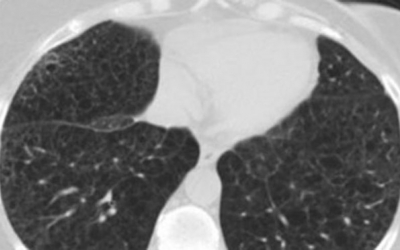
A young woman diagnosed with a hard-to-treat, rare lung disease has found an unexpected solution in the form of a drug originally designed to prevent organ rejection in kidney transplant patients.
Alison Hedervary, 35, a nurse at the Cleveland Clinic in Cleveland, Ohio, has lymphangioleiomyomatosis (LAM), a progressive and potentially deadly disease that causes cysts to form in the lungs, often causing them to collapse. LAM primarily affects women of childbearing age, and scientists believe the disease occurs when abnormal smooth muscle cells secrete enzymes that destroy lung tissue. Previous therapies for LAM had focused on adjusting estrogen levels but proved unsuccessful.
About four months after being diagnosed with the disease, in June 2012, Hedervary began taking Rapamune — sold also as rapamycin and known by its chemical name, sirolimus— following a clinical trial at the Cleveland Clinic. The Food and Drug Administration (FDA) approved the drug for LAM in May 2015. Rapamune was approved for kidney transplant patients in 1999.
During the MILES trial, a one-year, randomized, double-blind trial conducted at the Cleveland Clinic in 2011, most of the 89 LAM patients with moderate lung impairment who received the active form of sirolimus showed lung function stabilization. Those patients who received the placebo, on the other hand, saw their lung function decline.
Doctors called Hedervary, who was not part of the MILES trial, a “miracle patient,” as the drug increased her lung function to nearly 92 percent, which is considered normal.
Before researchers found Rapamune could be used to remedy LAM, women diagnosed with the disease had few treatment options, one being a lung transplant. Previous therapies included decreasing estrogen levels in the bloodstream by administering progestin pills or by removing the ovaries, two approaches that stemmed from a previously held theory that estrogen played a role in predisposing individuals to the disease.
Hedervary goes to the doctor every six months— as opposed to the every two to three months she was going immediately following her diagnosis. Parambil and Kotloff said the MILED trial will offer more clues as to how Rapamune affects LAM patients in the long term, but, based on Hedervary’s results over the past three years, Parambil predicted she will fare well.