make preferable
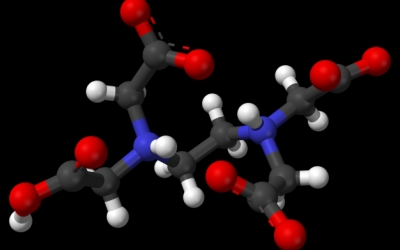
Chelation is a method of treatment of metal poisoning, but when it comes to using it for heart disease, cardiologists have often dismissed it as quackery. This is changing thanks to some new research, Newsmax Health reports.
A recent major clinical study shows that chelation affords a modest, but significant benefit for heart attack survivors. Based on these findings, Chauncey Crandall, M.D., head of the preventive cardiology department at the Palm Beach Cardiovascular Clinic in Palm Beach, Fla, said the treatment could be a valuable tool to fight circulatory disorders in patients who are difficult to treat with regular therapies. These include those with diabetes, who often develop cardiac small vessel disease, a condition in which the small vessels of the heart become narrowed.
The word “chelation” comes from the Greek word “to claw.” The therapy uses a medication called ethylene diamine tetraacetic acid (EDTA), which binds to toxic metals and minerals in the bloodstream, allowing a patient to excrete them.
Chelation treatment dates back to World War I, when it was used as an antidote against arsenic-based poisonous gases used in combat. It was also used to help sailors who suffered from lead poisoning during World War II after being exposed to lead-based paints used on navy vessels. Nowadays, chelation continues to be an FDA-approved method to treat lead and other toxic metal poisoning.
Chelation has become popular with alternative doctors as a means of treating many conditions, including heart disease, Parkinson’s disease, Alzheimer’s disease, cancer, macular degeneration, and autism, among others. The theory is that heavy metal contamination causes, or at least contributes, to these conditions.
Chelation’s use is growing, with more than 100,000 Americans now undergoing the treatment each year, according to the National Center for Health Statistics. The treatment remains popular even though it is time-consuming and expensive – $5,000 is the average cost – and it is not generally covered by insurance.
In the case of heart disease, chelation may help rid the body of excess mineral deposits, which lead to atherosclerosis, the disease process that causes coronary arteries to become narrow, leading to heart attacks.
Chelation is administered in different ways, depending on its goal. For heart disease, it is done intravenously, in a process known as “infusion.” In most cases, a needle is inserted in the arm, and a fluid containing the EDTA drips slowly into the vein over the three and-a-half hour session.
In a major, government-funded study, 1,708 heart attack survivors were divided into two groups – one that received chelation, the other a placebo treatment. The course of treatment lasted two years.
The findings show that those getting chelation had a 4 percent lower risk of recurrent heart problems.