make preferable
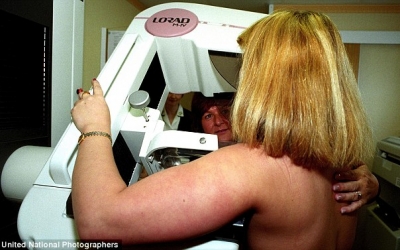
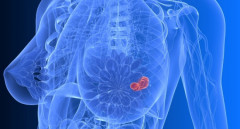
A groundbreaking vaccine could save the lives of thousands of patients who have the most aggressive form of breast cancer.
Experts at Nottingham Trent University have identified a protein in the tumours of people in the early stages of cancer for whom chemotherapy, radiotherapy or surgery is not an option.
The discovery signifies fresh hope to those with the 'triple negative' type of cancer – around 12% of the 50,000 patients diagnosed each year.
The scientists have discovered they are able to look at the amount of the protein, called HAGE, that is present in a tumour to determine whether chemotherapy would be successful for cancer patients.
If it is not, they think they can produce a simple procedure which would stimulate the protein to produce antibodies against the cancer, vaccinating them against the disease.
Scientists say the work which is likely to go into clinical trials in two years could revolutionise treatment.
Professor Graham Pockley, said: 'It is a big advance - if you speak to the community and people in this position, it's huge.
'These people are the most difficult to treat. We are potentially talking about one in ten women with breast cancer - for these women who don't do well on chemotherapy you would administer the vaccine.
'Every day is just incredible. It's so exciting. We need to do more work and it needs to be validated. It would save women. It's world-class research in Nottingham and we need to blow our own trumpet.'