make preferable
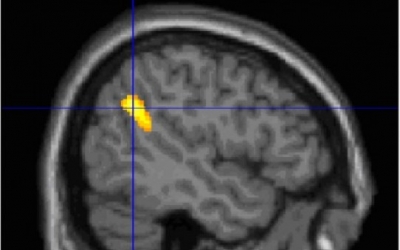
People, who recall dreams well have two regions of increased activity in their cortex, that operate during wakefulness and sleep, French scientists found. The research is published in the journal Neuropsychopharmacology, writes briefly about it Inserm.
Neuroscientists classified volunteers in two groups: “high dream recallers” who recalled dreams 5.2 mornings per week in average, and “low dream recallers,” who reported 2 dreams per month in average. The volunteers in both groups were investigated with the help of Positron Emission Tomography (PET) during wakefulness and sleep.
It appeared, that people, who recall dreams well have two regions of increased activity in their cortex, that work during wakefulness and sleep. This activity distinguishes such people during wakefulness and sleep.
The first of the fields discovered by tomography refers to the medial prefrontal cortex (mPFC) - this department is associated with higher brain functions, such as decision-making and abstract thinking. The second active region refers to the portion connecting the parietal and temporal cortexes; earlier it was shown, that its activity is associated with concentration and attention. Patients with damage of both of these brain fields showed sharp decline in memory for dreams.
According to the researchers, the difference in the activity of these two fields may explain why high dream recallers are awaken more during their sleep. Their brain intermittenly operates in a more active, "day" mode, which allows them recall the dreams.