make preferable
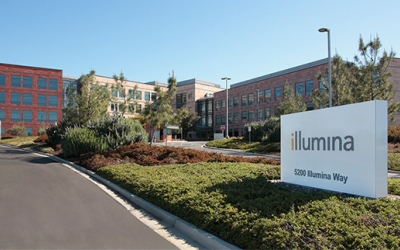
The world’s largest DNA sequencing company says it will form a new company to develop blood tests that cost $1,000 or less and can detect many types of cancer before symptoms arise.
Illumina, based in San Diego, said its blood tests should reach the market by 2019, and would be offered through doctors’ offices or possibly a network of testing centers.
The spin-off’s name, Grail, reflects surging expectations around new types of DNA tests that might do more to defeat cancer than the more than $90 billion spent each year by doctors and hospitals on cancer drugs. Illumina CEO Jay Flatley says he hopes the tests could be a “turning point in the war on cancer.”
The startup will be based in San Francisco and has raised more than $100 million from Illumina as well as Bill Gates, Jeff Bezos’s venture fund, Bezos Expeditions, and Arch Venture Partners. Illumina will retain majority control.
The testing concept being pursued by Illumina, sometimes called a “liquid biopsy,” is to use high-speed DNA sequencing machines to scour a person’s blood for fragments of DNA released by cancer cells. If DNA with cancer-causing mutations is present, it often indicates a tumor is already forming, even if it’s too small to cause symptoms or be seen on an imaging machine.
Illumina didn’t invent the idea for the tests, which were first developed by academic centers including at Johns Hopkins University (see “Spotting Cancer in a Vial of Blood”) and in Hong Kong (see “Liquid Biopsy”). But Flatley says only recently has gene-sequencing become inexpensive enough to try to make the cancer screening tests affordable.
A DNA test able to pick up many kinds of cancer could be revolutionary because tumors caught early can often be cured with surgery or radiation. Since the 1970s, the largest declines in cancer deaths rates are due to either behavioral changes, like declining tobacco use, or because of effective screening tests, principally colonoscopies and pap smear. New drugs have helped, too, though their impact on survival has generally been modest.