
 make preferable
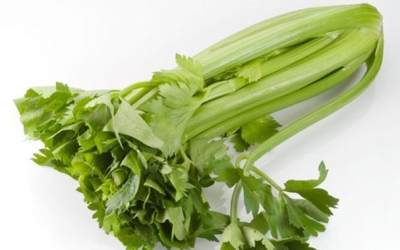
A compound found in celery and figs has been shown to be a potential weapon against aggressive breast cancer tumors.
The compound, called psoralen, is known to fight lymphoma and skin conditions by damaging DNA and causing tumor cell death when activated by UV light. But Duke University researchers have found it could be developed as an effective therapy.
The new study, published in the Public Library of Science journal PLOS ONE, determined psoralen blocks the molecular action of what is known as an "HER2 receptor," which is involved in 25 percent of breast cancers, as well as ovarian, gastric, and other solid tumors.
When HER2 is overproduced, it fuels uncontrolled cell growth, leading to an aggressive form of cancer. But the Duke researchers found that psoralen shuts down this process.
Psoralen was also found to be effect against cancers that are resistant to chemotherapy.
Researchers envision one day being able to inject the compound directly into tumors, then use low-dose X-rays to trigger its anti-tumor properties. The technology is being tested in animals, and may be approved for human clinical trials as early as this year.





