
 make preferable
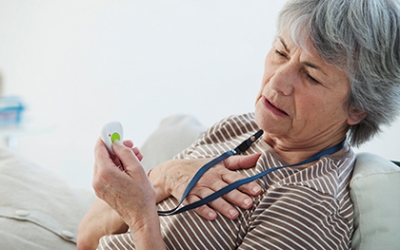
Women are more likely than men to die within a year of their first heart attack, according to the American Heart Association.
Heart attacks affect both men and women - but women are hit harder, a new statement revealed.
That's because while both genders experience chest pain as the primary symptom, women often have atypical, vague symptoms as well - such as back or jaw pain, nausea or a sense of dread.
Lead statement author Dr Laxmi Mehta, of The Ohio State University, said: 'These symptoms can be very challenging for the patient and the medical profession.
'Women tend to under recognize or deny them.
'When they do present to the emergency department, it is important for these symptoms to be triaged appropriately as potential heart problems.
'Otherwise the consequences are misdiagnosis, delayed treatment and higher death rates.'
Heart disease is the leading cause of death in both men and women, with nearly 610,000 Americans dying from heart disease each year, according to the Centers for Disease Control and Prevention.
Cardivascular disease is often considered to be a 'man's problem' - because high blood pressure, high cholesterol, stress, smoking and drinking are common health issues in older men.
Heart attacks caused by blockages in the main arteries leading to the heart can occur in both men and women.
However, women often have no significant blockage - or experience different types of heart attacks.
For instance, a woman can experience a heart attack as a result of an intense muscle spasm that abruptly decreases blood flow to the heart.
Or, women can experience spontaneous coronary artery dissection - which is a tear in the artery - more often than men.
Most medical therapies are similar between the gender - regardless of the cause of the heart attack or the severity of the blockages.
But women are under-treated compared to men.
While the most common heart attack symptom is chest pain or discomfort for both sexes, the fact that women experience vague symptoms as well means heart attacks often go undetected.
Furthermore, high blood pressure is more strongly associated with heart attacks in women.
Additionally, having diabetes increases a young woman's risk of heart disease four to five times greater than the risk facing young men.
Dr Mehta said: 'We don't yet clearly understand why women have different causes and symptoms of heart attacks.
'Women are more complex, there are more biological variables such as hormonal fluctuations.
'That's why more research is needed."
On top of that, social, environmental and community differences also play a role in how women's treatment differs from men's.
More women suffer from depression related to their heart disease - and that could hinder their treatment.
Women also less often complete cardiac rehabilitation because of work and family responsibilities - or a lack of support.
Dr Mehta said: 'Frankly, women are great at nagging their spouses, so they make sure their partner takes their medications, goes to cardiac rehab, eats better and sees the doctor.
'Unfortunately many women don't make their own personal health their priority, which contributes to more favorable outcomes in men versus women after a heart attack.'
The doctor noted that understanding gender differences can help improve prevention and treatment among women.
She said: 'Women should not be afraid to ask questions - we advise all women to have more open and candid discussions with their doctor about both medication and interventional treatments to prevent and treat a heart attack.
'Coronary heart disease afflicts 6.6 million American women annually and remains the leading threat to the lives of women.
'Helping women prevent and survive heart attacks through increased research and improving ethnic and racial disparities in prevention and treatment is a public health priority.'





