make preferable
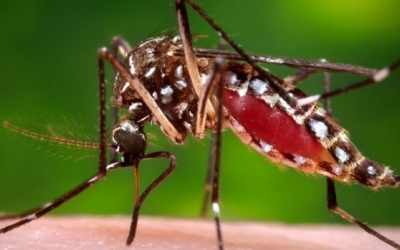
The U.S. Centers for Disease Control (CDC) has expanded the list of countries that pregnant women should avoid traveling to because of high infection rates of the Zika virus.
On Friday, the CDC added eight countries to its initial list of 14 as places where the reach of the virus is growing. The CDC earlier issued an advisory that pregnant women should avoid travel to these countries because they are seeing high rates of infection.
The CDC has confirmed at least a dozen cases of the Zika virus in the United States.
Dangers
Zika is a pathogen carried by mosquitoes that typically causes only mild symptoms, but health officials have recently been alarmed because of a possible link between the virus and more than 3,500 children born with microcephaly and other poor pregnancy outcomes in Brazil since October, says infectious disease specialist Lucileia Johnson, MD.
Passing the virus
Microcephaly is a rare neurological disorder in which the circumference of the head is smaller than average for an infant’s size and age. Microcephaly often is associated with some degree of mental retardation. However, in 15 percent of the cases, the child has normal intelligence.
“When the virus goes to the bloodstream it can pass to the baby and cause inflammation of the baby’s brain,” Dr. Johnson says.
It is possible that Zika virus could be passed from mother to fetus during pregnancy, the CDC says. This mode of transmission is being investigated.
To date, there are no reports of infants getting Zika virus through breastfeeding, the CDC says. Because of the benefits of breastfeeding, mothers are encouraged to breastfeed even in areas where Zika virus is found.
Symptoms
Symptoms of the Zika virus can include fever, rash, joint pain or red eyes. Those infected with the virus usually experience symptoms within two to seven days after being bitten by an infected mosquito.
Prevention
The Zika virus is transmitted to people primarily through the bite of an infected Aedes species mosquito The main advice to avoid getting Zika is to avoid getting bit by mosquitos if you are in the affected countries. The CDC advises using insect repellent, staying indoors and wearing long-sleeved clothing to avoid mosquito bites.
There is no vaccine to prevent or medicine to treat Zika.
Travel advisory
The CDC says until more is known about the connection between Zika virus and microcephaly, they recommend that women who are pregnant or are planning to become pregnant avoid travel to the countries listed on cdc.gov.
Dr. Johnson said that pregnant women who may have been to any of these countries recently should contact their physician.
“You have to seek professional advice,” said Dr. Johnson. “I would not panic. Just get tested if it’s going to bring you peace of mind.”
The CDC says that because the species of mosquitoes that spread Zika virus are found throughout the world, it is likely that outbreaks will occur in new countries.