make preferable
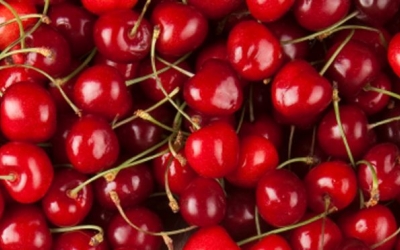
When trying to lose weight, many of us eat fruit to satisfy cravings for sweets. Fruits contain significant doses of fiber, vitamins and minerals – making hitting the fruit bowl a seemingly healthy choice. Fruit has many important health benefits that make it an important part of a person’s daily diet. But is too much fruit actually sabotaging your weight loss efforts?
Fruit is high in fructose, a simple sugar, and carbohydrates, which are two things that need to be consumed in moderation in order for a person to lose weight. Eating too much fructose can cause a spike in insulin levels.
Fructose is processed by the liver and is often stored in the body as fat so it can be used for energy at a later time. People who are diabetic or trying to lose weight needs to be mindful of how much sugar - including fructose - they consume.
For people who are not trying to lose weight, fructose levels are usually not a problem, but for those who are overweight or obese, unlimited fruit consumption could make it difficult for them to lose weight.
Natural fructose is found in fruit juice, honey and agave. More and more processed foods are being sweetened with fructose. The only way to avoid it is to avoid processed food as much as possible and always read labels.
Try to consume darker fruits which usually have a thin skin and produce more antioxidants than light-colored ones. Furthermore, blueberries, cranberries and raspberries, have been found to decrease glucose response and slow digestion.
If you’re trying to lose weight or are concerned about your metabolism, limit your fruit intake to one or two servings a day.
From Jacqueline Banks, a certified holistic health counselor.