make preferable
What's good for us and what's not seems almost as changeable as the weather.
Nutritional guidelines and recommendations are constantly being tweaked in light of new research.
This makes it difficult for even scientists to keep up with which foods are healthy or not.
Here, writing for The Conversation, Scott Harding - a lecturer in nutritional sciences at King's College London - looks at five foods once dubbed 'villains'.
He discussed the old and new science which has prompted the U-turn to make them 'healthy' options again.
EGGS
For a long time, eggs were thought to be bad for your heart.
A large egg contains a hefty 185mg of cholesterol - and dietary cholesterol was believed to contribute to high blood cholesterol levels.
But for the last 20 years, nutrition and medical research has shown repeatedly that at normal intakes dietary cholesterol has very little influence on a person's blood cholesterol levels.
Although it's taken a while, nutrition experts are now correcting the record for eggs and other foods that contain cholesterol (such as chicken liver and shellfish) by removing it as a nutrient of concern from dietary guidelines.
Eggs are an excellent source of protein, healthy fats, and several vitamins and minerals.
POTATOES
Potatoes have always been considered the 'unhealthy' vegetable but this is a bit unfair, according to nutritional sciences lecturer Scott Harding.
Potatoes are one of the few vegetables considered to be unhealthy.
Because they're a high glycaemic index food they tend to get lumped in with foods made from refined carbohydrates as foods to avoid.
But potatoes are a rich source of carbohydrates, vitamin C, some B vitamins and trace minerals.
How you prepare potatoes also changes the aspects of those starches that get a bad rap.
Cooking and cooling potatoes increases the amount of resistant starch in the potatoes.
This resistant starch then acts like dietary fibre which 'resists' digestion in the gut, potentially having a positive impact on your gut bacteria.
RAW NUTS AND PEANUT BUTTER
Nuts also get a bad reputation for being high in fat and high in calories, leading some to suggest they should be avoided by anyone looking to lose weight.
But there is mounting evidence to suggest raw nuts are key to a healthy diet and maintaining healthy body weight.
A recent study, published in the British Journal of Nutrition, showed hat eating raw nuts reduces death from all causes, cardiovascular diseases, coronary heart disease and sudden cardiac death.
Although studies are still ongoing to determine what components of tree nuts are promoting these positive health outcomes, we already know the nutritional benefits.
Raw nuts contain protein, healthy fats (low saturated fat and high monounsaturated and polyunsaturated fat), dietary fibre and micronutrients.
Nut butters, such as peanut butter, can also be part of a healthy diet.
The fat in peanut butter has a healthy profile and peanut butter is also an excellent source of protein, fibre, vitamin B6 and magnesium.
Some recent evidence has shown increased weight loss for people who replace less healthy proteins, such as processed meats, with peanut butter.
Nut and nut butter consumption can be a part of a healthy diet, but you need to be mindful of the calories.
Remember, when it comes to food and health: all foods fit into a healthy diet. Don't fall into the trap of believing in 'superfoods' or 'food villains'.
Enthusiastic consumption of one particular 'superfood' can be worse than consuming a so called 'food villain'.
DAIRY
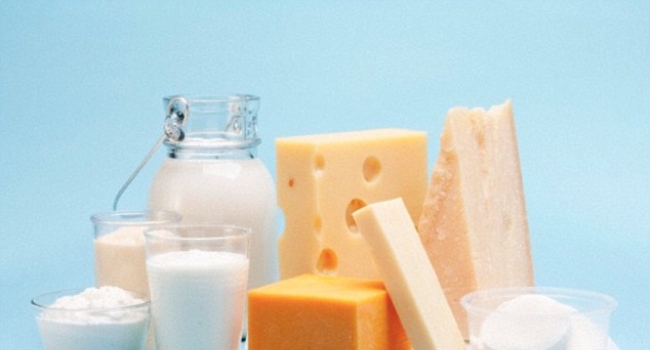
Dairy – including milk, butter, yogurt and cheese – was once considered a staple in many people’s diet, but consumption patterns have changed, in part, due to difficult-to-interpret health messages.
Positive aspects of dairy include the high protein and calcium content.
Fat content and fat type are important when choosing dairy products as some contain high amounts of fat per serving and this fat tends to be high in saturated fat.
Although it’s best to avoid a diet high in saturated fat (a risk factor for CHD), regularly consuming dairy products doesn’t need to be a concern if your overall calorie intake and fat intake is healthy.
Because there are numerous studies that point toward both the healthy and unhealthy aspects of dairy it is difficult to recommend specific intakes or types of dairy foods for improving health.
The recent updates to the UK Eat Well Plate still promotes dairy foods as part of a healthy diet, as long as the dairy choices are lower in fat.