make preferable
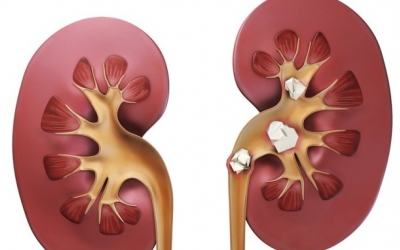
Researchers say a diet based eating plan is more practical and less restrictive for people who must watch what they eat for the prevention and treatment of kidney stones, Newsmax Health.
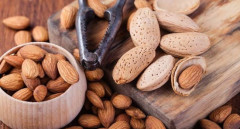
The diet typically recommended to prevent kidney stones is low in "oxalate." Most kidney stones are formed when oxalate binds to calcium while the kidneys make urine. However, high levels of oxalate are found in many nutritious foods, such as beets, navy beans, bulgur, kale, almonds, sweet potatoes, rice bran, rhubarb and spinach, the researchers pointed out.
Dr. Kerry Willis, senior vice president for scientific activities at the National Kidney Foundation, said in a foundation news release, "Many high-oxalate foods are healthful and a low-oxalate diet can be very restrictive.''
The research, published in the March issue of the American Journal of Kidney Diseases, showed that a diet, rich in fruits, vegetables, legumes and nuts, moderate in low-fat dairy and low in animal proteins, refined grains and sweets, could help prevent kidney stones.
Combining calcium and oxalate-rich foods in a meal could be more effective than limiting oxalate in preventing kidney stones, the researchers suggested. When consumed together, oxalate and calcium are more likely to bind in the stomach and intestines, the authors explained. Since this occurs before the kidneys start processing, it's less likely that kidney stones will form.
Experts from the National Kidney Foundation offer the following tips to help prevent the formation of kidney stones:
Drink plenty of fluids. Ideally, consume at least 68 ounces daily. Choose water. Although water is best, water mixed with sugar-free lemon juice is another good option.
Eat fruits and vegetables. It's also important to limit high-fat dairy, salt and animal protein.