make preferable
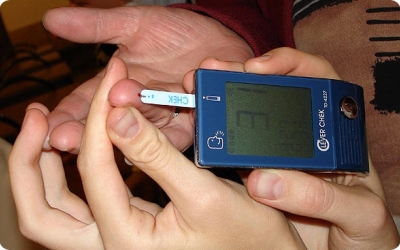
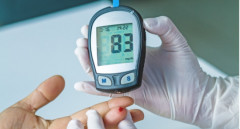
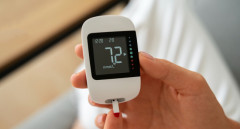
Millions of diabetes patients rely on the results they get from their blood glucose meters to guide their treatment decisions, Newsmax Health reports. But, what if those test results were wrong?
Recent research has found that even though a blood glucose monitor meets the U.S. Food and Drug Administration's standards for accuracy to gain device approval, the meter or test strips used in the meter may not perform as well as expected in the real world. And, those errors can have potentially life-threatening consequences.
"The availability of accurate blood glucose meters and test strips is critical to the success of diabetes self-management," according to a statement from the American Diabetes Association. "Faulty or inaccurate equipment can not only lead to just poor diabetes self-management, but to an acute medical crisis if a patient makes incorrect treatment decisions based on faulty data."
However, the accuracy goal refers to after-market complaints to the manufacturer, which are supposed to be shared with the FDA, as well as complaints sent directly to the FDA, outreach to the clinical community and FDA inspections.
Some of that feedback to the FDA may be coming from a new campaign, called Strip Safely, started by Bennet Dunlap, a father with two teenagers with type 1 diabetes.
"I was pretty frustrated when I heard that there were blood glucose monitoring systems (devices and test strips) that failed to even meet the 20 percent standard," Dunlap said. In response, he created the Strip Safely campaign to "try to create a call to action for the FDA by the diabetes community."
The most serious risk from a faulty blood sugar test is that someone with type 1 diabetes (an autoimmune disorder that always requires insulin treatment) or someone with type 2 diabetes who uses insulin could give themselves too little or too much insulin. The most immediate danger would be from too much insulin, which can cause hypoglycemia, or low blood sugar levels. Hypoglycemia causes troubling symptoms, such as shakiness, sweating and confusion, and if left untreated, can cause someone to pass out or even die. Too little insulin results in hyperglycemia, or high blood sugar. Over time, hyperglycemia can lead to such complications as kidney disease and vision problems.
Dr. David Simmons is chief medical officer of Bayer HealthCare's Diabetes Care, in Tarrytown, N.Y. He said: "People should understand that every time you do a blood sugar test, it's an experiment, and the results have a range. Even tests done in a lab have ranges. Bayer takes accuracy standards very seriously and aimed for a substantial improvement in our new line of meters."
Another manufacturer, Abbott Diabetes Care in Alameda, Calif., "makes substantial investments to monitor and control manufacturing variability," said Jared Watkin, head of technical operations for Abbott.
Both company spokesmen said they would welcome third party, independent, after-market assessments of their products.