make preferable

People are happy to see the cold winter ended, but those with pollen allergies might not be glad to greet spring.
There are, however, a number of things people with pollen allergies -- also called hay fever -- can do to reduce or prevent symptoms, said Dr. Luz Fonacier, head of the allergy section at Winthrop-University Hospital in Mineola, N.Y, reports News Max Health.
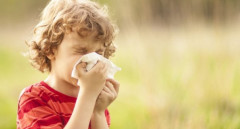
It's important to know what you're allergic to so you can avoid those triggers, Fonacier said. An allergist can identify the things that cause allergy symptoms such as sneezing, runny nose and itchy eyes.
Some other things you can do: Monitor pollen and mold counts, and stay inside when they're high. After working or playing outdoors, take a shower, wash your hair and change your clothes. Keep windows and doors shut at home and in your car during allergy season. Use air conditioning, which cleans the air.
Also, try to avoid mowing the lawn or raking leaves. If you have to do these chores, it might be a good idea to wear a mask, Fonacier suggested in a hospital news release.
Take allergy medications as prescribed and start using them before symptoms begin. Be careful when using over-the-counter allergy medications because they can cause sleep and thinking problems.
Allergy vaccinations are another option. They slowly introduce your body to allergens so it learns to tolerate them rather than triggering an allergic reaction. These vaccinations can reduce symptoms of many allergies, prevent the development of new allergies and, in children, stop allergies from progressing to asthma, Fonacier said.