make preferable
People may not realize how dental problems can eventually result when their dental and pain issues go undiagnosed.
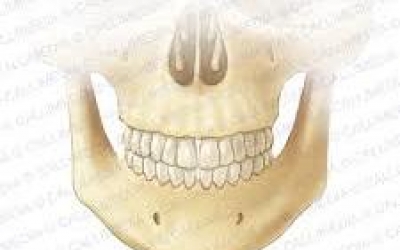
This can include conditions affecting the joint between your lower jaw and your skull (known as the temporomandibular joint or TMJ), those that affect the muscles that move your lower jaw, and/or those that affect your teeth, reports Health Cleveland Clinic.
Disorders of these three structures, referred to as temporomandibular joint disorder (TMD), can cause noises like popping or clicking of the TMJ, as well as facial pain, headache, and or damaging wear on the teeth.
The condition can be temporary and may go away with little or no treatment, and there are many at-home treatments for TMD you can try before seeking a dentist’s help.
Here’s what you need to know about this disorder:
''You’re probably grinding your teeth. You can learn to recognize and control daytime habits like clenching teeth, chewing gum and biting your nails.Unfortunately, you can’t stop grinding and clenching during sleep because these are controlled in the brain and happen during deep sleep,” says dentist Karyn Kahn, DDS.
Drugs might play a role. Grinding can also be influenced by certain drugs like selective serotonin reuptake inhibitors (SSRIs) used to treat depression, as well as alcohol use, smoking and stress.
It’s important to be conscious of your daytime habits.
“Your teeth should only come into contact when you swallow, which is only about 17 to 20 minutes a day,” Dr. Kahn says. “We teach patients to practice having their lips together, teeth apart and tongue resting lightly behind the front teeth.” Try saying “N”– this is where your tongue should rest.
To address TMD, you should also:
Avoid chewing gum and other chewy foods
Use moist heat to ease facial pain
Maintain good posture when using a computer
Try to sleep on your back to help ease TMD pain; avoid stomach sleeping
Take steps to reduce stress and tension
If self-help strategies don’t give you relief, talk to your dentist or TMD specialist. They may prescribe splint therapy, physical therapy for jaw and neck muscles, short-term muscle relaxers or analgesics, or Botox® (botulinum toxin) injections to help ease muscle contractions.