make preferable

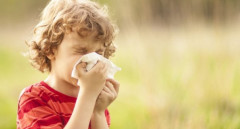
Pop antihistamines. Stay away from pollen. You know the drill. But if you're one of the approximately 20 percent of people who suffer from hay fever (also known as allergic rhinitis) in all of its stuffy, sneezing infamy, fending off seasonal allergies might not be so straightforward. To breathe easy this season, you'll also need to fight these unexpected allergy triggers, reports Fox News.
Fruits
The farmer's market can strengthen your immune system, but it could also send that system into a frenzy. Why? When tree, grass, and weed pollen counts are high, your immune system is primed to attack anything that resembles your allergens even slightly, said Dr. Anju Peters, associate professor of medicine in allergy and immunology at Northwestern Memorial Hospital in Chicago. Case in point: fruit pollen. In those who suffer from pollen-food allergy syndrome, filling your mouth and stomach with fruit pollen can worsen allergies.
Peters said."By peeling or cooking fruit, you can lessen or completely avoid any reaction."
Alcohol
People with hay fever, asthma, chronic bronchitis, and COPD are far more likely to experience sneezing, a runny nose, and lower-airway symptoms after imbibing, per Swedish research. Alcohol dilates the nose's blood vessels and may also spur an immune response. Wine might be a bigger culprit than other booze, Peters said.
Stress
Stress won't cause allergies, but it can worsen your symptoms.
Use your allergies as another excuse to enjoy some "me" time. Take care of yourself and do whatever you've got to do to de-stress: meditate, practice yoga, soak in the tub.
Hair products
"Hair gels and pastes cause the hair to become a pollen magnet," said Dr. Clifford Bassett, medical director of Allergy and Asthma Care of New York and associate professor of clinical medicine at New York University.
Use as few hair products as your hairstyle will allow, Dr. Bassett advised. If you just can't get by without your full arsenal of gels, sprays, and serums, make sure to wash your hair every day to remove the tag-along allergens from your locks.
Thunderstorms
April showers bring May flowers…and "thunderstorm asthma" attacks.
This one's pretty easy: Stay inside during and immediately following rough weather, and keep your windows shut.
Rising humidity
April showers bring may flowers—and a whole lot of humidity, something dust mites love. Use a dehumidifier to keep humidity levels between 40 and 45 percent to prevent dust mites from reproducing.
Over-watered houseplants
Ridding your home of mold is about more than good hygiene. Overwatering your houseplants can cause mold and mildew to grow in their soil, which can then spur indoor allergies and even worsen outdoor ones, Bassett said.
If you typically water your plants by trial and error, search online to find out how much water each one really needs.
Ceiling fans
Indoor air could be worse for your allergies than outdoor air. After all, inside, you not only have your indoor allergens to contend with, but also the outdoor allergens that are likely making their way into your home, said Dr. James Sublett, president-elect of the American College of Allergy, Asthma and Immunology. Running your ceiling fans just swirls all of those allergens around.
If you just can't get by without running your ceiling fans, make sure your home—and ceiling fan blades—are thoroughly cleaned before you flip the switch.
Morning showers
If your nose is particularly stuffed each morning, you should consider bathing at night before bed instead. Going to bed swaddled in the pollen and mold that your clothing, skin, and hair picked up throughout the day may be the problem, Bassett said.
If you can't function in the morning until you've had your shower, that's OK. Just make sure you at least wash your face at night, giving your eye area some special attention. Washing your hair at night would also be ideal.
Spring cleaning
Isn't spring cleaning supposed to scrub your house of dirt? It can also dramatically increase exposure to allergens found in normally settled ‘house dust,' which contains dust mites, cockroach and mouse allergens, furry pet allergens, and mold spores.
Try to get someone else (think: your husband, kids, or house cleaner) to deep clean your home when you're not there.
Your dog
Just because you aren't allergic to your pet doesn't he they won't make you sneeze and sniffle. After being outside, your dog can bring pollen, mold, and other allergens into your home.
Fight it: Give your pup regular baths, and avoid allowing him hang out on your bed.