make preferable
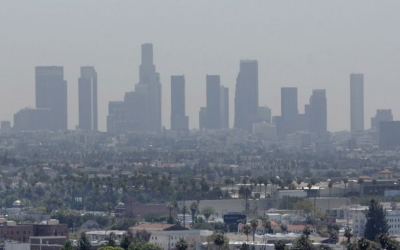
As ominous images from around the world show, pollution is a problem that spans from China, India and Paris to California, New York and everywhere in between. Whether from vehicle emissions, coal plants, agricultural operations, forest fires, or other sources, pollutants take a toll - on the Earth, of course, but also on its inhabitants. Recent studies have linked pollution exposure to asthma, autism, heart disease, cancer, schizophrenia, migraines, and more, the Fox News reported.
In an effort to address such health problems, the U.S. Environmental Protection Agency announced back in March new fuel and automobile standards that will cut gasoline sulfur levels by more than 60 percent, and reduce tailpipe and evaporative emissions from cars and trucks. The EPA hopes these moves will prevent up to 2,000 premature deaths a year, and 50,000 cases of respiratory ailments in children.
But will it be enough? Unfortunately, for many people, the damage has already been done. And legislating cleaner air takes time: The EPA’s new rules won’t be phased in until between 2017 and 2025, though petroleum industry groups have warned this timetable is unrealistic.
Breathing in polluted air is bad even when you’re simply standing outside, or taking a leisurely walk. But it’s worse if you’re playing a sport, or participating in another similarly strenuous activity. According to The Mayo Clinic, we inhale more air during exercise, and more deeply into our lungs. We also tend to breathe through our mouths during exercise, allowing polluted air to bypass the nasal passages, which normally help filter airborne pollution particles.
Avoid open-air workouts during peak pollution times, usually in the afternoon, and steer clear of heavily trafficked routes and urban environments.
As the EPA tries to purify the air in this country – a noble if not impractical goal – it’s a good time for us all to consider not only how to protect ourselves from pollution, but how we contribute to it – because we all do.