make preferable
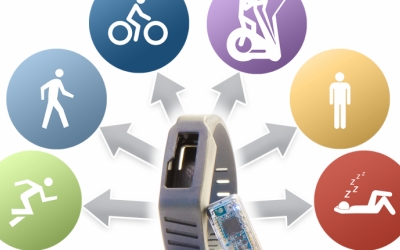
Today every training apparel company produce wearable fitness tracker bandwagon, which promises to be the most effective tool for maximizing your workout routine. Nike, Reebok, Jawbone, Samsung, and Fitbit have blazed the trail for other companies looking to cash in on the newest innovation combining technology and exercise, the Medical Daily reported.
According to a recent Endeavour Partners survey, one out of every 10 Americans over the age of 18 owned a fitness activity tracker in 2013. However, a third of the people who purchased fitness trackers stopped using the device within six months. Part of the reason people become so bored with their activity tracking wristband is obvious. With a fixed schedule of places to be and people to see, the amount of steps you take and calories you consume can become repetitive with no foreseeable change on a day to day basis. Take for example InvenSense, Inc., a company responsible for the MotionTracking sensors found in wearable fitness wristbands that are doing most of the heavy lifting in tracking our daily activity log.
“The problem with the current wearable fitness tracking market is that all of these devices are doing the same thing – counting steps,” Sam Massih, director of Wearables, InvenSense Inc., told Medical Daily. “After three months the user is bored with the device because they start to know how many steps they are going to take on any given day. With our upcoming Sharkband device will not only know when you are active, but also what activity you are performing. Instead of how many steps you take, it will know if you’re biking, on the elliptical, rowing, or swimming. It will even be able to tell which stroke you are performing (i.e. breaststroke or freestyle).”
It’s worth pointing out some of the current advantages certain fitness band users say they get from their device. After all, what works for some people won’t always work for others. For many fitness enthusiasts the sheer motivation behind owning a gadget that can track how many steps you take, the amount calories you consume, and how much time a day you spend active is enough to encourage walking home from work instead of taking the bus or climbing a flight of stairs over the elevator. Another advantage is the competitive aspect offered by that constant reminder on your wrist. Whether you’re competing against a friend’s goals or looking to beat your personal best, a fitness tracker can add a little extra inspiration to your workout.
The biggest problem consumers run into when purchasing their own wearable activity tracker is choosing the right one that suits their training needs. Duvauchelle has also offered some notable features to look for when choosing your own wristband fitness tracker:
1. Data usage
For the best results, look for a product that lets you download your workout data to your computer or monitor it through an online dashboard. Some of the cheaper wristbands just display the data on the actual device, which is limiting in its practicality.
2. Comfort
For the best results, you need to wear these trackers every day, all the time. Look for a product that fits well, doesn't get in the way of your day, and is subtle enough to work with your wardrobe, whether you're in the office or at home.
3. Additional features
Look for products that offer additional health monitoring besides just exercise intensity, duration, or speed. For example, some products help you track your heart rate and your sleep patterns.