make preferable
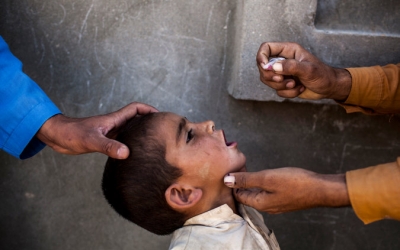
Alarmed by the spread of polio to several fragile countries, the World Health Organization declared a global health emergency on Monday, the New York Times reported.
Just two years ago — after a 25-year campaign that vaccinated billions of children — the paralyzing virus was near eradication; now health officials say that goal could evaporate if swift action is not taken.
Pakistan, Syria and Cameroon have recently allowed the virus to spread — to Afghanistan, Iraq and Equatorial Guinea, respectively — and should take extraordinary measures to stop it, the health organization said.
The emergency was declared though the total number of known cases this year is still relatively small: 68 as of April 30, compared with 24 by that date last year.
What most alarmed experts, was that the virus was on the move during what is normally the low transmission season from January to April.
“What we don’t want is cases moving into places like the Central African Republic, South Sudan or the Ukraine,” said Rebecca M. Martin, director of global immunization for the Centers for Disease Control and Prevention, which has provided money and expertise to the eradication campaign since it began in 1988.
Fighting the virus normally includes several rounds of vaccination of all young children in a target country. But, in an unusual step, the agency also said that all residents of Pakistan, Syria and Cameroon, of all ages, should be vaccinated before traveling abroad, and that this restriction should be retained until one year after the last “exported case.”
It also said another seven countries should “encourage” all their would-be travelers to get vaccinated. Those are Afghanistan, Equatorial Guinea, Ethiopia, Iraq, Israel, Nigeria and Somalia.
Israel has had no confirmed human cases of the disease, but a Pakistan strain of the virus has been detected in sewage in Tel Aviv and elsewhere.
Polio, short for poliomyelitis, is a highly contagious virus spread in feces; although only one case in 200 causes symptoms, the hardest-hit victims can be paralyzed or killed. There is no cure.
Unlike influenza or other winter viruses, polio thrives in hot weather. Cases start rising in the summer and often explode when the monsoon rains break the summer heat, flooding sewage-choked gutters and bathing the feet of romping children with virus, which they pick up by touching their feet or a ball and then putting a finger in a mouth.
With 54 of this year’s 68 new infections, Pakistan is by far the riskiest country. Polio has never been eliminated there, Taliban factions have forbidden vaccinations in North Waziristan for years, and those elsewhere have murdered vaccine teams.
Syria has had only one confirmed case of polio this year, but it had 13 cases last October.
The Syrian cases from last year were of the Pakistan strain, which was found in Egypt last year, then moved into Israel, first in a largely Bedouin desert town, then elsewhere. How it reached Syria is unclear, but in April it was found in a Syrian refugee camp in Iraq, despite extensive vaccination campaigns in camps in Lebanon, Jordan, Turkey and elsewhere.
Cameroon’s outbreak is of a strain from Nigeria, which previously had more cases than any country in the world but which has had only two so far this year. As in Pakistan, Islamic terrorist groups in Nigeria have killed vaccinators. Nonetheless, multiple vaccination rounds have reduced the problem.
Pakistan’s health minister, Saira Afzal Tarar, said her office had recommended vaccinating travelers at the country’s five international airports before they board.
Monday’s emergency was declared both to alert donors and to pressure the affected countries to organize vaccination drives.
That means recruiting and training hundreds of thousands of vaccinators, and sending them into the field with millions of doses of vaccine, which must be kept cold, usually by packing them on ice in a foam plastic box each vaccinator carries on a shoulder strap.