
 make preferable
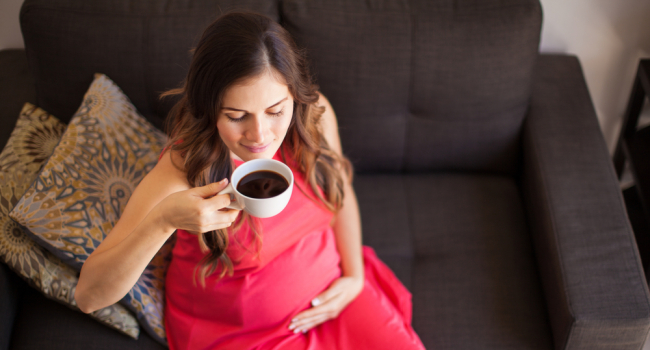
Pregnant women who consume caffeine - whether it’s from coffee or tea - have smaller babies than those who abstain from the stimulant during pregnancy, new research suggests.
Even women who took in less than 200 milligrams of caffeine, the safe cutoff during pregnancy according to the American College of Obstetricians and Gynecologists (ACOG), had a significantly increased risk of delivering prematurely or having a low-birthweight baby.
“Based on the consistent associations we observed, and because many pregnancies are unplanned, we would recommend women who are pregnant or seeking to become pregnant to at least limit their intakes of caffeinated coffee and tea,” lead study author Ling-Wei Chen, a researcher at University College Dublin in Ireland, said in an email.
The study cannot prove cause and effect, he cautioned. But several previous studies have linked caffeine exposure in the womb to negative effects, Chen and his colleagues write in The American Journal of Clinical Nutrition.
In most of those studies, coffee was the main caffeinated beverage consumed.
For the current study, Chen’s team looked at 941 mother-child pairs born in Ireland, where people drink more tea than coffee. Nearly half of the mothers in the study drank tea, while about 40 percent drank coffee.
Every additional 100 milligrams of caffeine consumed daily during the first trimester of pregnancy was associated with a 72-gram (2.5 ounce) lower birth weight, as well as significantly lower gestational age, birth length and head circumference.
Women who took in the most caffeine had babies weighing about 170 grams (6 ounces) less than those who consumed the least, the researchers found. Whether the caffeine came from coffee or tea made no difference to the results.
“High caffeine intake can result in restricted blood flow in the placenta which may subsequently affect fetal growth,” Chen explained. “Caffeine can also cross the placenta readily, and because caffeine clearance slows as pregnancy progresses, caffeine accumulation may occur in fetal tissues.”
One 12-ounce cup (355 ml) of brewed coffee contains about 200 mg of caffeine, but tea generally contains less caffeine and the amount can vary by type of tea and how long it was brewed. The Lipton Tea company, for example, says its black tea contains about 83 mg caffeine in a 12-ounce cup.
Source: reuters.com





