make preferable
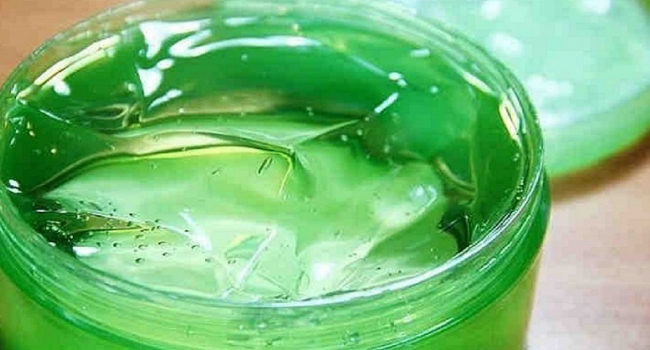
Rejection of transplanted tissues by the body is still one of the most important problems. Scientists from EPFL have found a way to avoid this problem developing a special gel based on sodium alginate from brown algae and water-soluble polymers, Bioconjugate Chemistry reported.
Using the example of pancreatic cells, scientists have shown that the gel acts as a selective filter, blocking the immune system cells and antibodies, but allowing oxygen and other molecules to pass in both directions. Thus, cellular metabolism works normally, and transplanted cells survive, and their immunity does not attack.
The gel also allows cells to secrete metabolic by-products like insulin, forms a soft cocoon and mechanically protects the cells, while limiting inflammation, interfering with the work of the graft and promoting the formation of scar tissue.