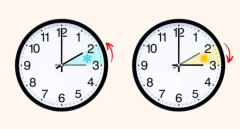
make preferable
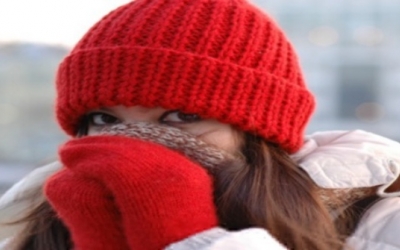
Winter can be a difficult time for people with allergies, but they can take steps to reduce their exposure to indoor triggers such as mold spores and dust mites, experts say, Newsmax Health reports.
"During the winter, families spend more time indoors, exposing allergic individuals to allergens and irritants like dust mites, pet dander, smoke, household sprays and chemicals, and gas fumes -- any of which can make their lives miserable," said Dr. William Reisacher, director of the Allergy Center at NewYork-Presbyterian Hospital and Weill Cornell Medical Center in New York City.
"During the holiday season it is especially important to make sure that Christmas trees and holiday decorations are mold-free," Dr. Rachel Miller, director of allergy and immunology at NewYork-Presbyterian/Morgan Stanley Children's Hospital, said in the news release.
Miller and Reisacher offered the following tips to help allergy sufferers through the winter:
Turn on the exhaust fan when showering or cooking to remove excess humidity and odors from your home, and clean your carpets with a HEPA vacuum to decrease dust mites and pet allergen levels.
Wash your hands often, especially after playing with pets and when coming home from public places.
Wash your bed linens and pajamas in hot water (above 130 degrees) to kill dust mites.
Consider your bedroom the allergy "safe haven" of your home. Keep pets, carpets, rugs and plants out of your bedroom to avoid dust mites and mold from decaying plants.
Before putting up your Christmas tree, spray it with a garden hose and remove all dust from your holiday decorations.
Install high-efficiency furnace filters. They capture 30 times more allergens.
Keep your indoor humidity level between 30 percent and 40 percent -- using a humidifier or dehumidifier -- to prevent mold growth. Change humidifier water and filters according to manufacturer recommendations to avoid mold and bacteria contamination.