make preferable
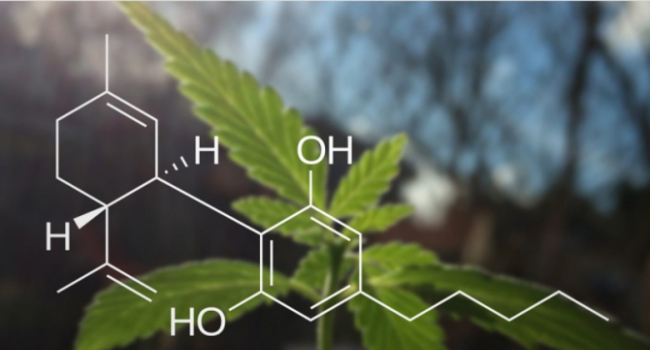
Cannabidiol and its metabolite, 7-OH-CBD, effectively block the replication of SARS-CoV-2 in lung epithelial cells, researchers from the University of Chicago noted.
Their study showed that cannabidiol suppressed the expression of viral genes and reversed many of the effects the virus had on the transcription of the host's genes.
This compound also caused the expression of interferons, cell signaling proteins that are produced by host cells as an early response to the entry of the virus into the body. Besides, according to the researchers, the incidence of SARS-CoV-2 infection was an order of magnitude lower among patients taking cannabidiol.
Scientists in the study treated human lung carcinoma cells expressing ACE-2 with cannabidiol at concentrations of 0-10 micromolar for 2 hours before being infected with SARS-CoV-2. Cell analysis after 48 hours showed that cannabidiol significantly inhibited viral replication. The cannabidiol metabolite, 7-OH-CBD, also effectively inhibited the replication of SARS-CoV-2 in cells. Genetic analysis of the treated cells revealed suppression of SARS-CoV-2-induced changes in gene expression.
Cannabidiol appeared to fight the expression of viral RNA, including the RNA encoding the viral spike protein. Both the virus and cannabidiol caused significant changes in the expression of cellular genes in the cell. Further analysis of the host cell RNA showed that the changes caused by the virus were almost completely reversed. By itself, cannabidiol affected interferons and cytokines, potentially preventing the development of a deadly immune response - a cytokine storm.
Scientists also estimated the incidence of SARS-CoV-2 among 82 patients who were prescribed cannabidiol. There was also a control group of patients who did not receive cannabidiol. It turned out that the incidence of COVID-19 infections was only 1.2% in the main group and 12.2% in the control group.