
 make preferable
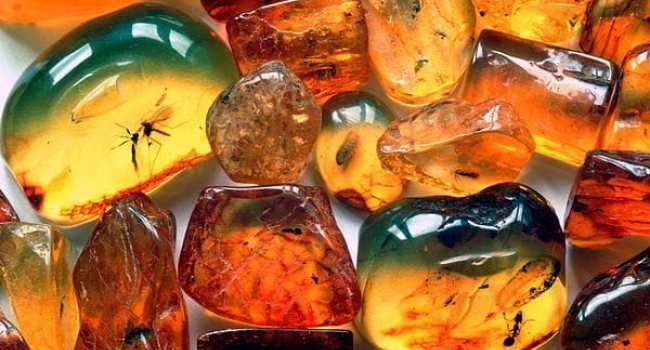
The substances contained in amber can be used in the fight against bacterial infections, against which antibiotics are already powerless, scientists from the American Chemical Society noted.
According to a press release on Phys.org, the aforementioned specialists analyzed samples of fossilized resin dating back 44 million years ago from the largest amber deposit in the Baltic Sea region. This resin was secreted by the extinct species of Sciadopityaceae pine and had a protective effect against bacteria, fungi, and insects.
Scientists have found in amber abietic acid, dehydroabietic acid, and palustric acid - organic compounds with 20 carbon atoms that have biological activity.
Research results have shown that these compounds are active against gram-positive bacteria such as certain strains of Staphylococcus aureus. According to scientists, this means that abietic acids and their derivatives could be a potential source of new drugs for the treatment of infectious diseases.





