make preferable
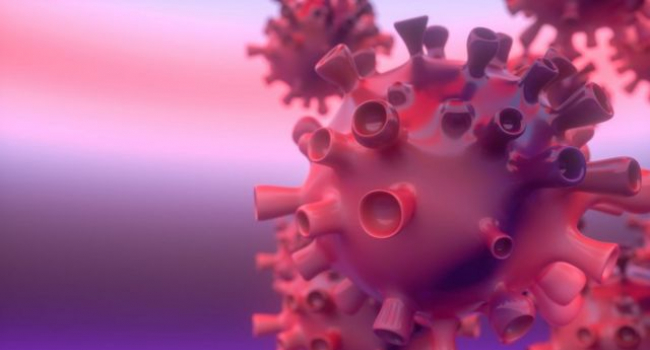
The US scientists have developed two new drugs both to prevent coronavirus infection and to treat people already infected.
According to a scientific paper published in the journal Cell Discovery, peptide-based drugs are currently being tested on hamsters at the French IDMIT Preclinical and Clinical Research Center. Preliminary testing has shown that the compounds are non-toxic and do not cause serious side effects.
The first drug developed by scientists slows the progression of infection by blocking the binding of the viral spike protein to the human ACE2 receptor. Laboratory tests have also demonstrated that if the virus enters cells, the second peptide can block the coronavirus from taking up the host cell and replicating it, which increases the immune system's ability to recognize and fight against the virus.
According to scientists, one of the key roles in infection is played by the enzyme LSD1, which is located on the surface of the host cell along with ACE2 and promotes the interaction of the viral spike protein with the membrane of the infected cell. ACE2 has a domain located on the inner side of the membrane that regulates the transcription of viral RNA. When LSD1 was blocked, the activity of this domain was suppressed, and the transcription of the virus was stopped.