
 make preferable
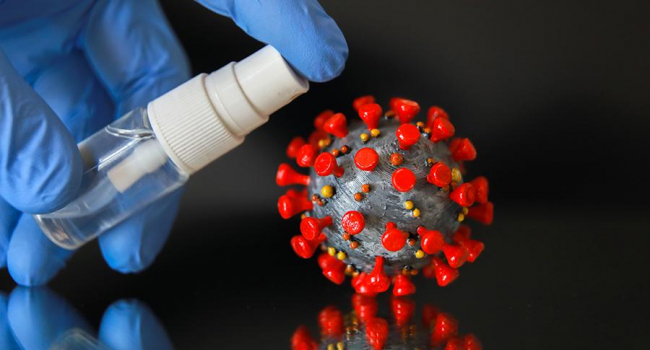
The COVID-19 enters human cells thanks to the angiotensin-converting enzyme ACE2.
However, the virus, as it turned out, can find alternative ways of infecting cells, even if these cells lack ACE2, said scientists at the University of Washington in St. Louis and other scientific organizations in the United States.
In the study, scientists tested various lung and upper respiratory tract cancer cells with different levels of ACE2 expression for susceptibility to the coronavirus. It turned out that human adenocarcinoma cells H522, which lack ACE2, are susceptible to the mutant form of coronavirus. To enter the cell, SARS-CoV-2 usually uses the standard spike protein S, which interacts with ACE2, but in this case, the S protein in the mutant form of the virus is altered (this new mutation is referred to as variant E484D S). The classic wild-type coronavirus is unable to infect H522 cells.
Despite the mutation, the E484D S coronavirus remains susceptible to antibodies in the serum of vaccinated patients, but the serum of those who have recovered was less effective.
Although the receptor to which the mutant S protein binds remains unknown, scientists have found that infection is blocked if the cell is deficient in heparan sulfates, proteins with polysaccharide residues that are located near the cell membrane and are most likely associated with an unknown receptor.





