make preferable
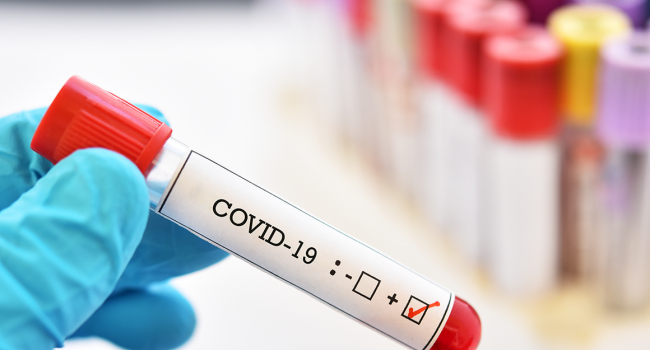
Many patients after recovering from COVID-19 face a wide range of symptoms that can persist for a long time.
As American scientists have found out, the reason for this lies in the violation by the virus of the normal function of the ACE2 receptor, which is involved in many protein bonds necessary for the normal functioning of the body, PeerJ - Life & Environment reported.
According to RIA Novosti, the symptoms of the so-called long-term postcoid syndrome persist for several weeks, and sometimes months. These include abnormal blood clotting, heart failure, kidney damage, brain fog (confusion, memory loss, or difficulty concentrating), gastrointestinal problems, and even male infertility.
Although the SARS-CoV2 virus itself is fairly well understood to date, the mechanisms that cause these unusual complications, not directly related to the virus, have remained unclear until now. Researchers at the University of Rochester have suggested that the reason for the many malfunctions of organs after COVID-19 is a violation of protein bonds.
Researchers have found a link between ACE2 and key proteins involved in the coagulation pathway. This link may be at the root of blood clotting disorders throughout the body, one of the hallmarks of severe COVID-19. Several proteins involved in cytokine signaling also appear to evolve with ACE2.