make preferable
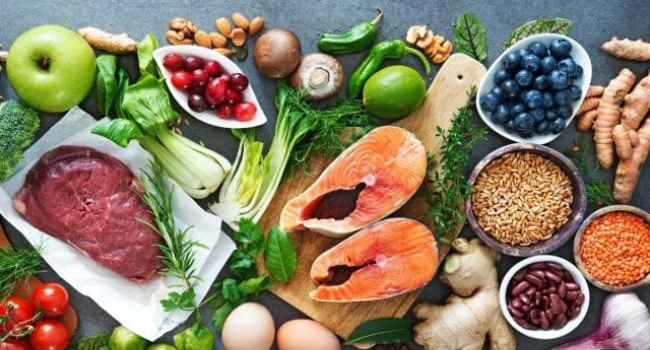
Foods rich in vitamin A are especially useful for eyesight, says nutritionist Anna Pavlicheva.
This vitamin “participates” in the synthesis of visual pigments. It is found in foods such as beef liver, chicken eggs, and red caviar. Sources of beta-carotene—the “ancestor” of vitamin A—will not be superfluous in the respective diet either. It is found in carrots, pumpkin, apricots, and peppers.
According to the expert, other substances, for example, omega-3 fatty acids, the source of which are fatty fish and seafood, are also important for maintaining eye health.
Antioxidants and bioflavonoids (vitamin C, vitamin E, lutein, and astaxanthin) are also important for good eyesight. They are mostly contained in bright-color vegetables, fruits, especially berries. And in winter, you can switch to frozen berries, as they retain all the respective “benefits.”
Vitamin E is abundant in nuts, sunflower seeds, and butter.
"Lutein contains spinach, parsley, and eggs. Spinach, by the way, in addition to lutein, also contains zeaxanthin, which reduces the risk of age-related macular degeneration," added the nutritionist.