
 make preferable
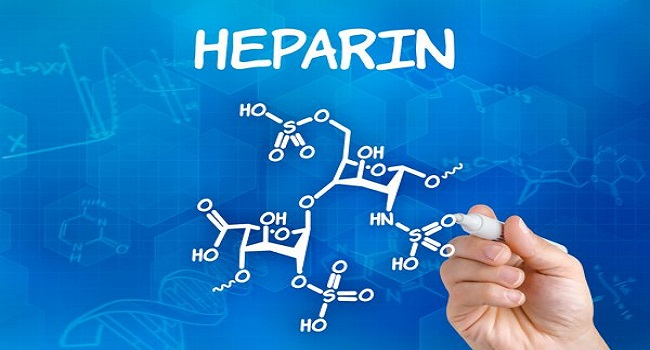
Low-molecular-weight heparin (LMWH) does not affect blood clotting in patients with severe COVID-19, but it suppresses viral infection. Researchers from the Medical University of Vienna have come to this unexpected conclusion.
According to Medportal.ru, 568 patients with severe symptoms of COVID-19 and hospitalized in three regions of Austria participated in the respective research. Of them, 71.5 percent received therapeutic doses of LMWH, and another 10.5 percent received anticoagulants that are not vitamin K (apixaban and rivaroxaban) antagonists.
Over a period of 5 of 16 days, physicians collected blood plasma samples from these patients, and assessed markers of blood clotting, inflammation, and cell death. It turned out that none of the anticoagulants had reduced D-dimer levels—a product of fibrin protein breakdown that is present in the blood after thrombus destruction—, but the survival rate of patients being treated with heparin was higher. Patients receiving this drug had an average infection period that was four days shorter than the other patients.
The researchers were surprised by the fact that LMWH seems to have a direct effect on coronavirus infection.
According to experts, the anticoagulant may potentially suppress the ability of SARS-CoV-2 cells to bind, thereby preventing them from becoming infected.





