make preferable
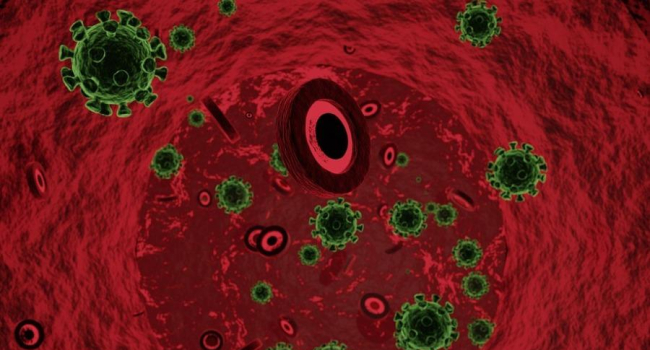
Russian cardiologists from Scientific Research Institutes of Rospotrebnadzor have developed a new way to diagnose thrombosis in patients with COVID-19.
According to Izvestia, the new method is based on detecting the level of endothelin-1, which is formed in response to the introduction of SARS-CoV-2 into the walls of blood vessels, which leads to narrowing of these vessels, in patient blood tests.
Specialists hope that this method can be used to detect thrombosis in real time, which will help initiate treatment in time. Specialists also believe that this technique can be effective for all known strains of the virus, including Omicron.
"With the currently generally accepted methods, we will see all the changes later - when the thrombus has already formed, the heart and other organs have suffered from a deficit of blood flow and oxygen. And the level of endothelin-1 makes it possible to see the stage preceding all these processes," deputy director of Gabrichevsky Institute, Doctor of Medicine Tatiana Ruzhentsova said.
According to her, the higher the value of endothelin-1 in the blood, the more likely a patient can develop cardiovascular complications that include vasospasm and thrombosis, leading to heart attacks, strokes and thromboembolism.