make preferable
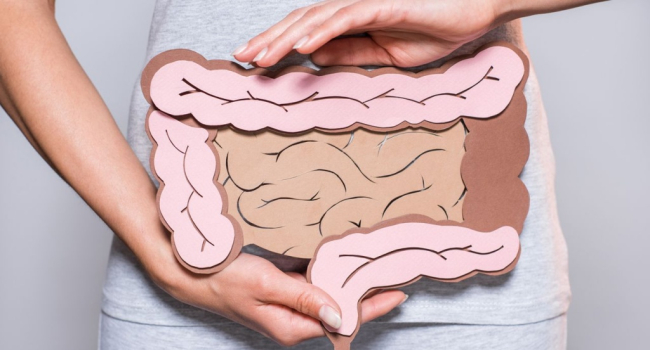
The intestine plays a key role in the body's immune defense against external pathogens, scientists from the Institut Pasteur say. Experts have built a model of intestinal infection of Escherichia coli, in which they were able to trace that the innate effector cells act in the early stages of infection, journal Science reports. During the study, the scientists found that ILC3 cells, which play an important role in the immune response, persist for months in an activated state after exposure to pathogens. In addition, during secondary infection, ILC3 cells memorize the mechanism of action to protect the intestinal mucosa. According to the scientists, this discovery illustrates the antibacterial mechanism of immune defense, which will enable further research to develop new treatments for intestinal diseases.