make preferable
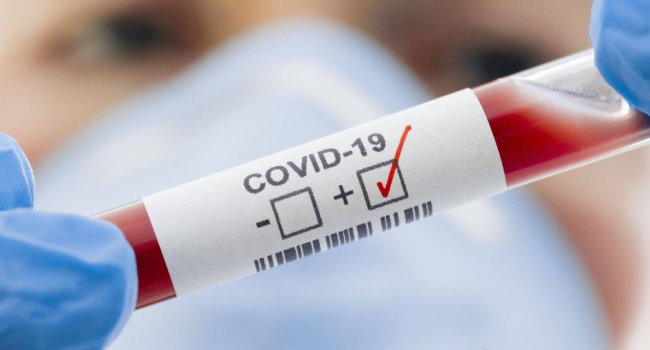
Prolonged COVID-19 may be associated with an abnormally suppressed immune system.
This finding by scientists at the University of California, Los Angeles contradicts the original hypothesis that long-term symptoms are due to an overactive immune system.
The results of the new study were published in the journal Clinical Infectious Diseases.
As Phys.org reports, the study involved 55 people with postcovid syndrome who received injections of the drug leronlimab or placebo in saline form for 8 weeks. Leronlimab is an antibody that binds to the CCR5 immune receptor involved in inflammation. It was hypothesized that blocking CCR5 with the antibody would lessen the overactive immune system and alleviate the symptoms of COVID-19.
Specialists monitored patients for any changes in 24 different symptoms, including loss of smell, taste, muscle and joint pain, and blurred consciousness.
However, the effect was seen to be the opposite of what was expected: improvement occurred in patients who initially had low levels of CCR5 expression in immune T cells (T lymphocytes) but increased over time. In this case, antibody injections contributed to an increase in the number of receptors on the surface of lymphocytes. No increase in CCR5 levels occurred in patients in the placebo group or in those in whom well-being did not improve.
This result allows for a new hypothesis that long-term COVID-19 in some people is associated with suppressed immunity.
According to the scientists' findings, CCR5 plays a complex role in the regulation of inflammatory and proinflammatory effects, doing so through regulatory T cells, for example. These lymphocytes control the strength and duration of the immune response, suppressing it through various immunosuppressive mechanisms. Antibodies that bind to CCR5 may not suppress its expression but stabilize it, which enhances the regulation of other immune receptors or functions.