
 make preferable
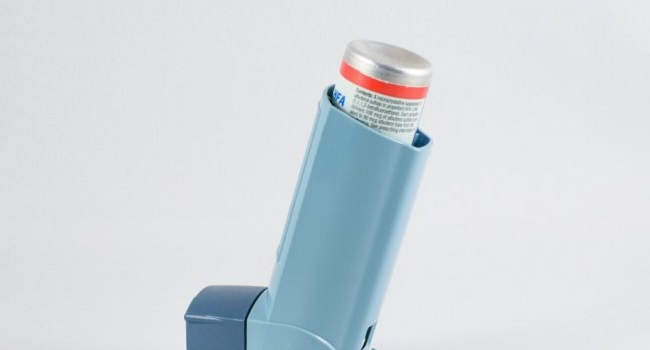
Taking medications during an asthma attack in patients with the most severe form of the disease produces special substances in the airways that block the effects of the treatment, according to a joint study by scientists from Rutgers and Genentech, the results of which were published in the journal Science Translational Medicine.
The researchers found that two different so-called growth factors - naturally occurring substances that stimulate cell proliferation - are activated in the airways of patients with severe asthma when they inhale corticosteroids (anti-inflammatory agents that reduce redness and swelling. Corticosteroids are used to treat various conditions such as asthma, eczema, joint deformities and rheumatoid arthritis - ed.) used as an emergency treatment during an asthma attack.
The discovery came as researchers examined one of the long-standing mysteries of asthma treatment: why do some patients who suffer most from the disease respond worse to traditional treatments more often?
Researchers compared samples of bronchial airway epithelial cells that had been exposed to inhaled corticosteroids and were collected from three groups: severe asthma patients, moderate asthma patients and healthy volunteers.
In a study conducted on mice, experts found that if you block the chemical cascade that eventually triggers growth factor secretion, corticosteroids effectively relieve airway inflammation and even prevent tissue scarring.





