make preferable
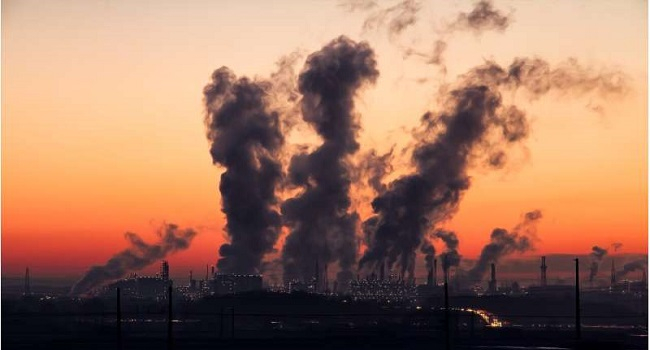
Long-term exposure to air pollution is associated with an increased risk of developing severe COVID-19, a new study presented at Euroanaesthesia, the annual meeting of the European Society of Anesthesiology and Intensive Care in Milan, Medical Xpress writes.
The German study found that people living in counties with higher levels of the pollutant nitrogen dioxide (NO2) are more likely to need intensive care and mechanical ventilation if they have COVID-19.
Prolonged exposure to NO2, a gas released into the atmosphere from burning fossil fuels, can have harmful effects on the lungs. This includes damage to endothelial cells, which play a key role in oxygen transport - carrying oxygen from inhaled air into the bloodstream.
Dr. Susanne Koch of the Department of Anesthesiology and Intensive Care at the Charité University of Berlin and her colleagues studied the effects of long-term air pollution on the need for ICU and mechanical ventilation treatment in patients with COVID-19.
Air pollution data from 2010 to 2019 were used to calculate long-term average annual NO2 levels for each county in Germany.
The study showed that the need for ICU and mechanical ventilation treatment in patients with COVID-19 was higher in counties with higher long-term mean annual NO2 levels.
ACE-2, the protein that the COVID-19 virus binds to when it enters our cells, plays many key roles in the body, including helping to regulate angiotensin II, an inflammation-enhancing protein. In other words, ACE-2 helps "slow down" inflammation.
However, when the SARS-CoV-2 virus binds to ACE-2, these inhibitors are removed. Air pollution also "releases the brakes," so the combination of COVID-19 and prolonged exposure to air pollution can lead to more severe inflammation and a more severe course of COVID-19.