make preferable
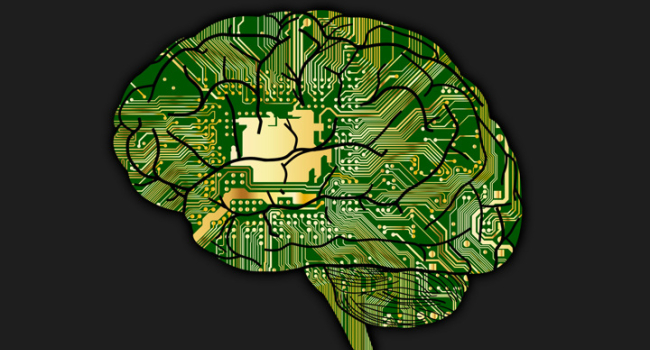
Canadian scientists have optimized neurochips to combat brain disorders with artificial intelligence. The new implants can be much smaller and consume less energy, maximizing clinical effectiveness. The University of Toronto researchers published the findings in the Journal of Neural Engineering. The developer company is producing miniaturized silicon chips using the same CMOS technology used in modern computers and smartphones. The process involves the use of an additional metal-oxide semiconductor, which allows for a reduction in size and power consumption to use the chips for longer periods of time. In the new work, the experts decided to incorporate artificial intelligence (AI) with deep learning (DL) algorithms. These models made it possible to identify hidden biomarkers, and also proved to be better than conventional algorithms in determining the time criteria for chip activation in the necessary state of the patient. In the future, these developments are planned to be integrated in the treatment of a wide range of brain diseases, such as chronic pain, depression or Alzheimer's disease.