make preferable
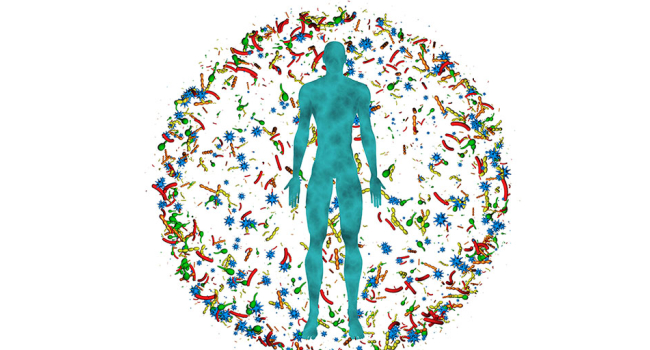
Coronavirus infection leads to negative changes in the structure and species diversity of the gut microflora, which contributes to increased vulnerability to other types of infections, including sepsis. The American doctors' paper was published in the journal Nature Communications, the New York University (NYU) press office reported. The results of the experiments suggest that coronavirus directly disrupts the balance of microflora in the gut of patients, exacerbating their condition and increasing their risk of developing new infections. Understanding this will help treating physicians identify those patients most at risk for secondary infections, including blood poisoning, said NYU professor Ken Cadwell, cited by the university's press service. Cadwell and colleagues tracked changes in the microflora of mice with a partially human immune system after they were infected with SARS-CoV-2. They confirmed that the coronavirus itself, regardless of the medical procedures used, causes major changes in the microflora. In particular, COVID-19 infection reduced the species diversity of microbes in the intestines of rodents and led to the spread of pathogenic bacteria resistant to antibiotics. This discovery led scientists to examine in detail microflora samples from about a hundred patients who were hospitalized with various forms of COVID-19 in New York City hospitals during the first months of the pandemic. It turned out that similar changes in the species composition of intestinal bacteria were common in humans, and in some cases they resulted in pathogenic microbes entering the bloodstream of patients. These secondary infections, according to the researchers, were particularly dangerous for patients because in most cases they were almost untreatable with antibiotics. A total of 20 percent of patients studied by Professor Cadwell and his colleagues had such problems. According to the scientists, such a high number of secondary infections associated with the microflora and coronavirus points to the need to monitor changes in the microflora of SARS-CoV-2 carriers. Further study of coronavirus and gut microbe interactions will help understand which patients would be most at risk for this side effect of COVID-19 infection, the researchers summarized.
COVID-19 causes deterioration of intestinal microflora, which contributes to development of other infections