make preferable
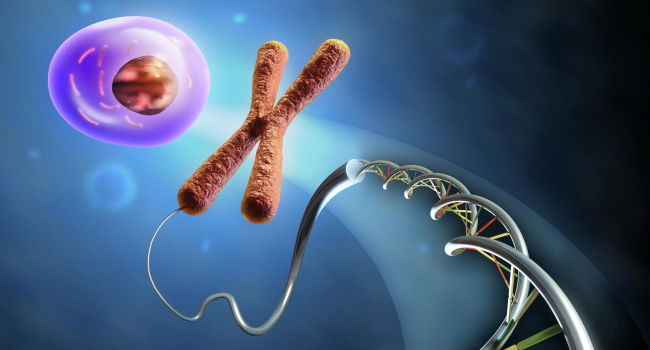
The risk of coronavirus can be influenced not only by immunity or environment, but also by genetic factors, a review of research on the topic over the past two years by Science News has shown. The TLR7 ("receptor 7") gene is known to be responsible for signaling to the immune system that a virus has appeared in the body and for sending interferons, antibodies against the infection. People with variations in the TLR7 ("receptor 7") gene are at several times greater risk of contracting the coronavirus. This is evidenced by a study by Italian scientists. According to a study by British and American scientists, mutations in the TYK2 gene reduce the risk of contracting the coronavirus but increase the risk of autoimmune diseases, particularly lupus. Changes in this gene can activate increased production of interferon and repel a viral attack, but they can also provoke its production when the virus is not present. Then it starts attacking its own body. Earlier, Swedish scientist Svante Paabo (winner of the Nobel Prize in Physiology or Medicine in 2022) together with his colleague Hugo Zeber presented the conclusion that one part of the genome, inherited by modern humans from Neanderthals, causes the risk of respiratory failure in coronavirus. This site is located in humans on chromosome 3 and is carried by about half of South Asians and about 16% of Europeans. The study looked at 3,200 covid patients who were hospitalized and whose data were compared with several hundred thousand data from those who did not have the disease. Notably, other genes inherited from Neanderthals may, on the contrary, help to resist the disease, another study said. Another part of the genome inherited from Neanderthals is responsible for producing enzymes that break down viral RNA that has entered the cell. Scientists suggest that the frequency of this group of genes in the modern human genome has increased over the past centuries.