
 make preferable
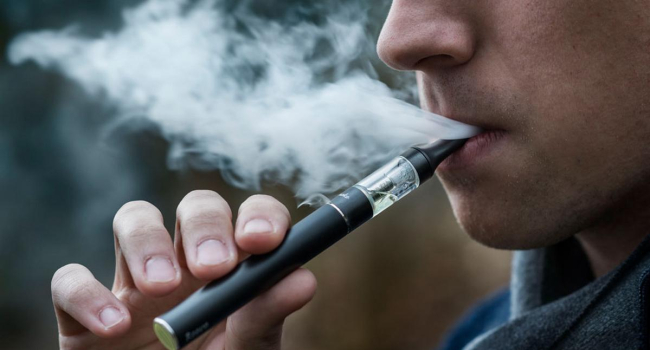
British experts have revealed new consequences of e-cigarette use. The findings of a study by scientists at the Lawson Health Research Institute and the Shulich School of Medicine and Dentistry at Western University have been published in the journal PLOS ONE.
Researchers studied the effects of vaping on pulmonary surfactant. Surfactant is a combination of surfactants of lipids and proteins that coat the alveoli and bronchial tree from the inside, which helps people breathe with minimal effort by reducing surface tension. The authors placed the surfactant inside a syringe and then used a vaping device to inject the aerosol into the syringe. In this way, the vapor interacted directly with the surfactant. The researchers then simulated inhaling and exhaling the vapor in the syringe 30 times, which corresponded to a standard smoking session.
It turned out that such manipulations were able to create surface tension, suggesting that the surfactant lost its effectiveness in maintaining proper lung function. The effects of flavorings, nicotine, and other additives were examined separately. Nicotine had no significant negative effect on surface tension compared to nicotine-free e-cigarette liquids, but some flavorings, such as menthol, did.
In the future, the team wants to study why people who use e-cigarettes are more likely to develop lung damage, including respiratory viruses such as COVID-19, and how to treat it.





