
 make preferable
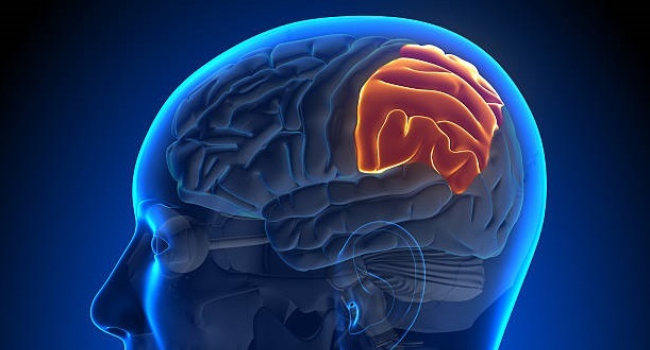
Russian neurophysiologists have found that the dark cortex of the human brain plays an important role in evaluating the magnitude of the reward when making risky decisions in the event that it is not related to the prediction of the probability of receiving such rewards. This discovery will help researchers determine the principles of risky decision-making, and later to develop methods of combining gambling addiction and impulsive behavior, informed the press service of the National Research University Higher School of Economics .
During the respective experiment, it was found that the suppression of the activity of the posterior dark cortex of the brain reduced the risk propensity of the participants compared to the control group. According to the researchers, the lower risk aversion in the posterior cingulate cortex was related to a decrease in the subjective value of money itself, rather than to the fact that the participants became more pessimistic about the chances of winning.
To get such information, the researchers were assisted by 36 volunteers who agreed to play a game in which they had to choose one of two lottery tickets to invest money. While making that choice, the scientists adjusted the activity of the participants' dark cortex with the help of a transcranial magnetic stimulation (TMS) system, increasing or decreasing its activity.
In particular, the researchers found that suppressing the activity of the dark brain region reduced the risk “appetite” of the volunteers because they began to consider a possible prize in the lottery as less valuable, while their estimates of the probability of receiving it did not change. This testifies to the different roles of the dark and frontal cortex of the brain in making risky decisions. And this is necessary to take into account when studying this line of human behavior and developing methods of excessive risk-taking, including in the case of gambling addiction and impulsive behavior, the researchers concluded.





