
 make preferable
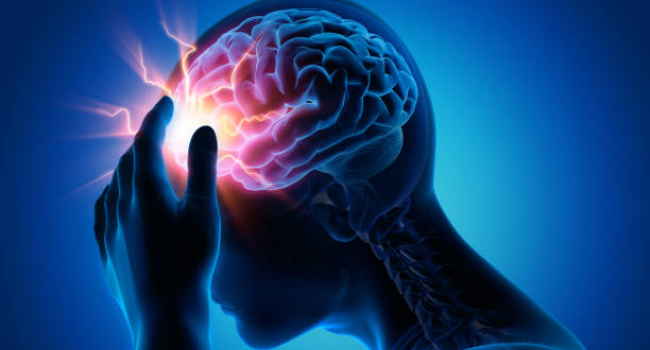
Researchers at the University of Regina, in Canada, have found that traumatic brain injuries not only pose a direct threat to human life, but can also cause complications in the heart. The respective study was published by The Conversation scientific publication.
According to experts, blows to the head, which can be received during contact sports or simply due to carelessness, put the body into a stress mode, which affects the heart rate.
Each heartbeat consists of a muscle contraction phase (systole) and a relaxation phase (diastole). Concussion can alter systolic blood pressure, as observed in athletes after traumatic brain injuries. At the same time, the systoles shorten, and the efficiency of pumping blood from the heart decreases. The effects last up to five days after a concussion.
According to the aforesaid study, nearly 20 percent of head injury patients had an abnormal heart rhythm. The strain on the heart causes general stress, which can worsen the symptoms of concussions. In addition, there has been a case where treating an abnormal heartbeat has helped eliminate the symptoms of a traumatic brain injury.
The aforementioned researchers have noted that their discovery suggests the need for a more thorough study of the relationship between the brain and the heart.





